The Loss of Personality in Celebrity Merchandise
There’s a faded photograph on my mom’s bureau of me as a baby, drowning in my dad’s old Guns N’ Roses t-shirt from high school. The shirt is black, stamped with a skull, and draped over me like a Harry Potter cloak. Back then, it was one of my dad’s most prized possessions, part of his small collection of band tees: Bon Jovi, Red Hot Chili Peppers, and Pearl Jam. He and his friends all saved up their money to buy new ones from their favorite artists, intentionally curating closets that reflected who they were and what they listened to. Today, though, celebrity, musician, and influencer merchandise has a different identity altogether: “merch,” a polished, mass-produced industry rather than a badge of subculture.
The word “merch” itself reflects this shift from “concert tees” and “souvenirs”—less a keepsake tied to a specific moment and more a product line attached to a brand. Musicians, influencers, and internet personalities alike regularly release collections of hoodies, sweatpants, and hats through limited online drops, often selling out within minutes.
Part of this transformation is economic. As streaming services reshaped the music industry, profits from album sales shrank drastically. Consequently, merchandise became one of the defining sales points for artists.
But the cultural meaning of the clothing has changed as well. Where band tees once signaled taste, modern merch functions more like lifestyle branding, designed to seamlessly blend with contemporary fashion. For instance, one of the most successful pieces of merchandise from this decade is Taylor Swift’s Folklore Cardigan, precisely because of its subtlety—with only a small Folklore label.
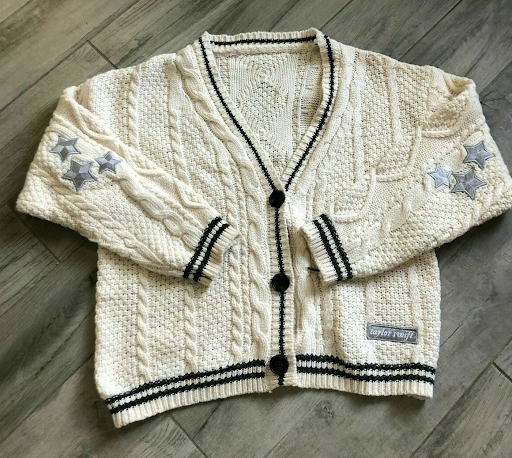
Photo: Ebay
Similarly, Lana Del Rey’s racer jacket appeals to fans with its lack of loud branding: her album covers on the sleeves and her name dainty and abbreviated on the upper right chest.
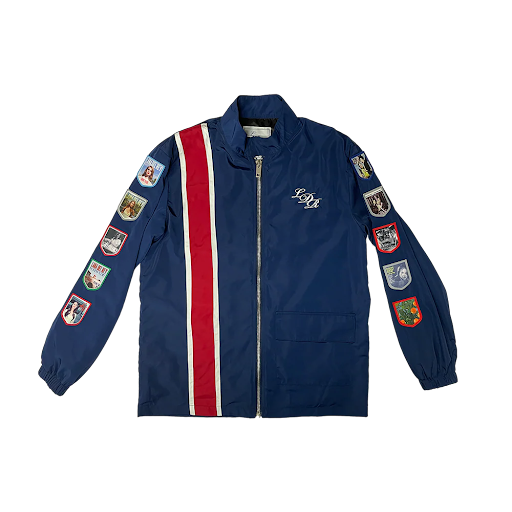
Photo: Interscope Records
While today’s merch drops sell out in minutes, the band tees our parents saved for months to buy carried a different kind of value—one rooted in community. This shift in fashion marks a larger cultural shift from authenticity to self-branding.
XOXO, The Fashion Stock Market