Nails are a political statement
Long acrylic nails are currently all the rage, fun and intricate designs have become immensely popular. These fake nails have become somewhat of a beauty standard, but the new age nail popularity has become majority white dominated. Due to this, intricate nail art is seen by many as a “new” trend. For years black and brown women dominated the long nail industry, but the public’s reaction was nowhere near as positive as the current trends
The origins began in ancient civilizations reserved for the elite created with ivory, bone, and gold. But for the purpose of understanding the political relevance I am going to skip forward significantly. Beginning in the 1930s, short and well manicured nails existed as a status symbol, indicating a separation from manual labor. The 1950s saw the creation of acrylics as we know them today by using resin to simulate well manicured and shiny nails, particularly reds.
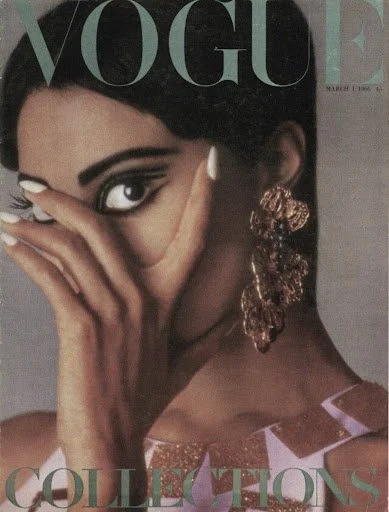
Since then long fake nails have long held significance within the black community. In 1966 the first black supermodel Donyale Luna sported acrylics on the cover of vogue, breaking barriers in an era that was predominantly white dominated.
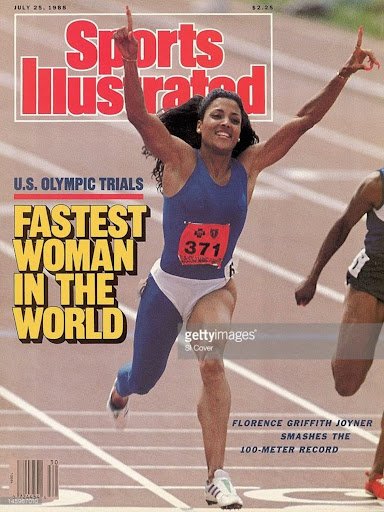
Acrylic nails would later be associated with black disco icons of the 1970s, becoming a symbol of success and representation in the era. In the 1980s black athlete Flo Jo was remarked upon for her amazing track performance and distinctly long nails.
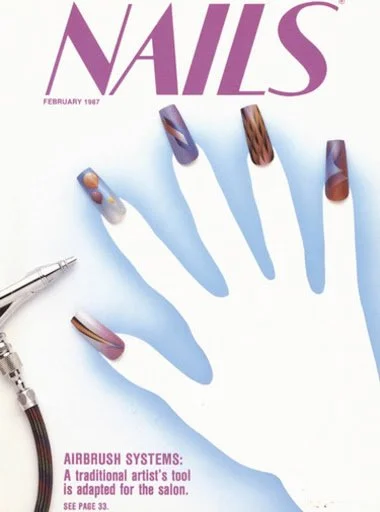
In 1987, Nails magazine showcased long and intricately designed purple nails on their cover instead of the plain nails previously shown, inspired by singers like Grace Jones and LaToya Jackson.
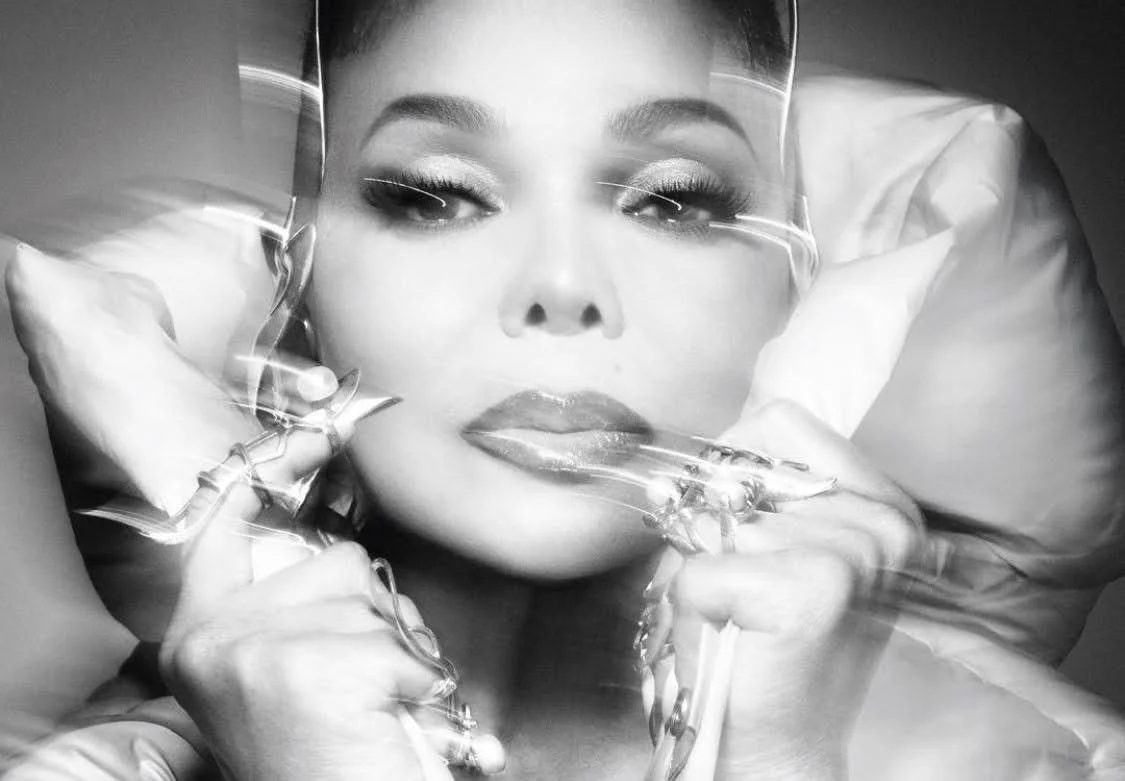
In the 1990s, the popularity of intricate nails increased significantly with the rise of hip-hop culture and fashion icons such as Missy Elliot, Janet Jackson, and Lil’ Kim.
But even so during this time and until the late 2010s to early 2020s, long nails were perceived as “ghetto” or trashy. Long nails were distinctly aligned with black women, and therefore many perceived their existence as less than. It was seen as unprofessional to sport acrylics and many looked down upon those who did. And as we see this sort of “cultural appropriation” of white people’s interest in nails, the general public’s approval is no longer overwhelmingly negative. The history isn’t honored and the thousands of black women who came before us are not respected. Even as I search on pinterest for aesthetic nail art the majority of what comes up are white hands. These women are essentially erased from the trend they created by means of eurocentric popularity.
XOXO, The Fashion Stock Market