Hoods and Kokoshniks: How they defined beauty
We all like little surprises, especially when it comes as what we adorn ourselves with. Modern head pieces like head bands and Tiaras have their ways of making us feel regal, but what were regents actually wearing on their heads?
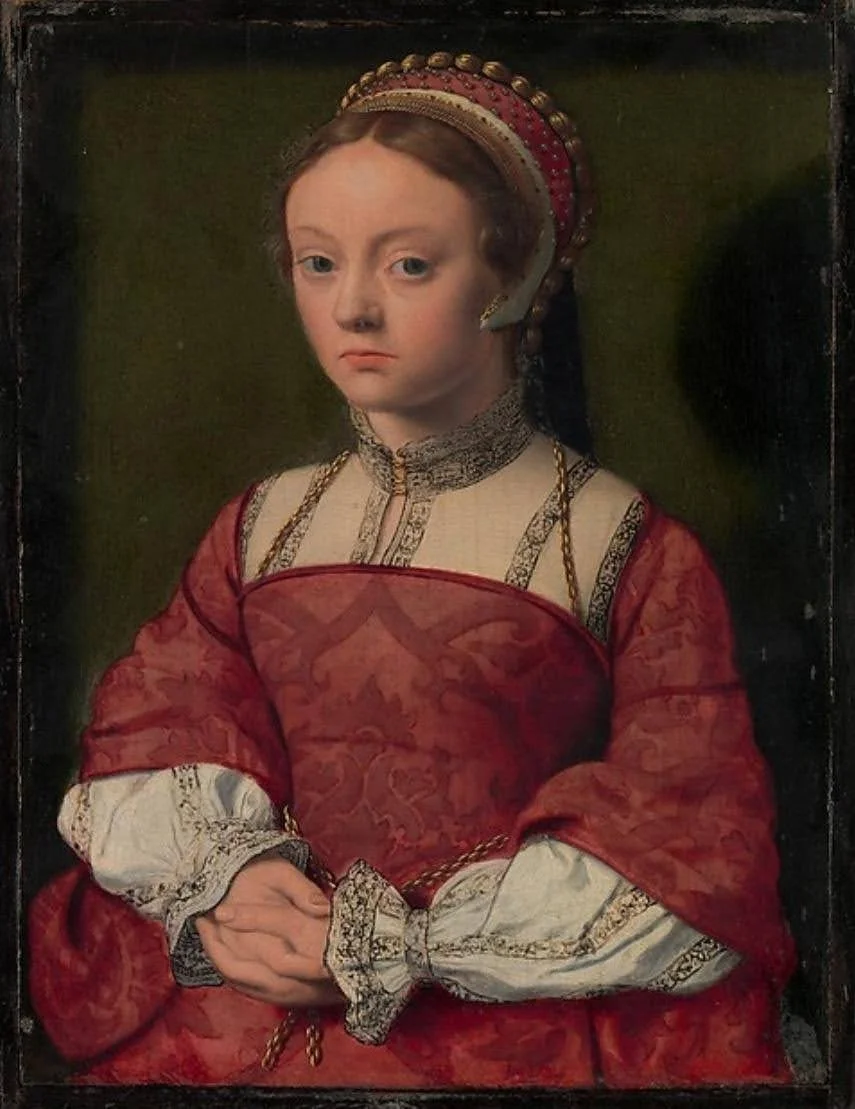
Pretty historical, but the most prominent French impact on Britain wasn't the trading, but the hoods that Queen Elizabeth’s step-mothers and mother herself wore. A French hood was a small bonnet made on a stiff frame, worn far back on the head, the front border curving forward on each side to cover the ears. This border was usually trimmed with an inched edging, behind which was the nether billiment of goldsmith’s work; further back, arched over the crown, was the upper billiment. These hoods continued to be worn in the 1510s, around Spain, France, and other European countries. An easy way of visualising these hoods would be that they were essentially a hat worn midway back on a woman’s head, with only the very front of her hair showing, and the rest of her hair is covered by the “hood” portion. This hood extends into a fabric veil that hangs down to the woman’s back.
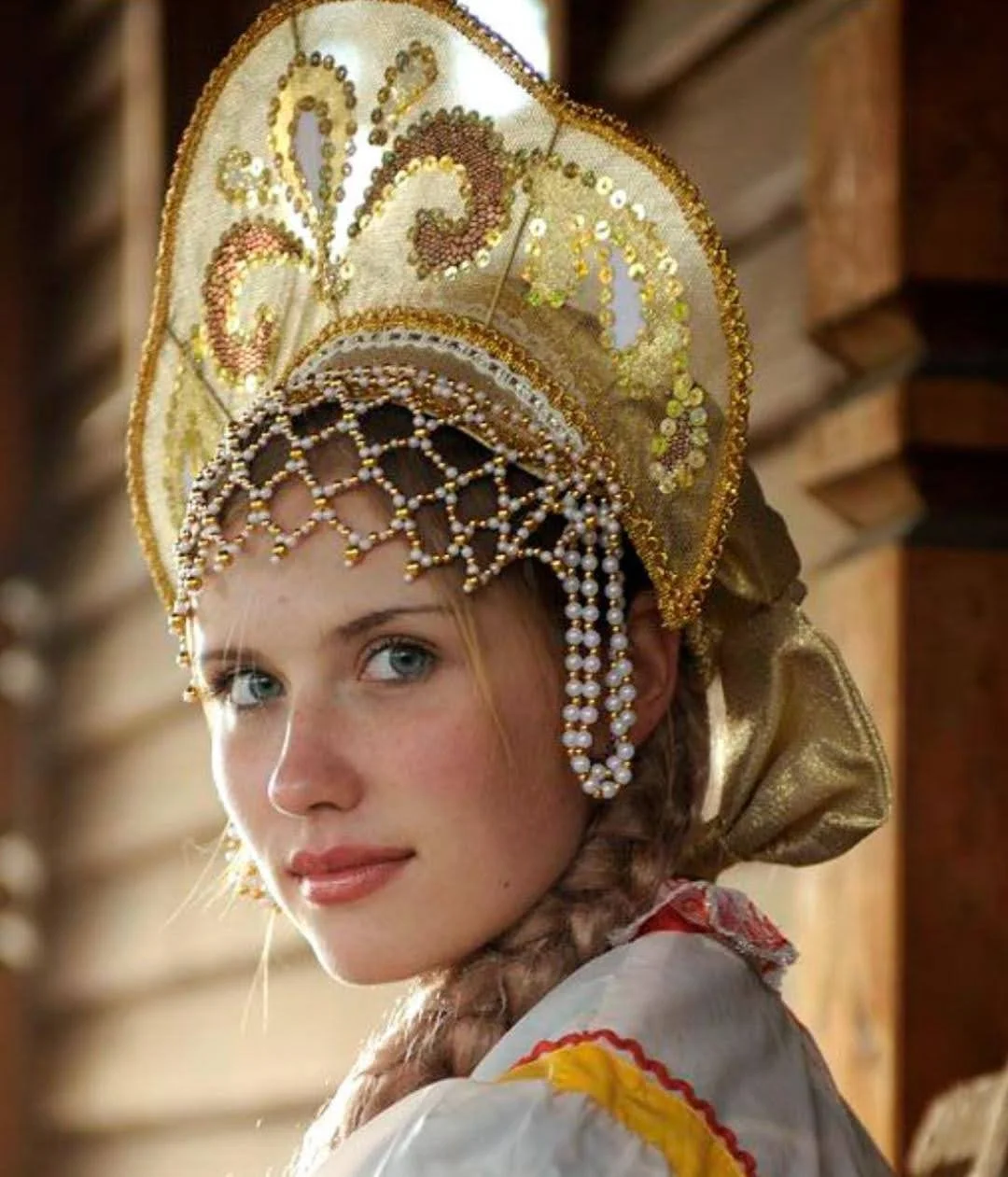
Similar were the Russian Kokoshniks.
Headdresses, or kokoshniks had the greatest abundance of ornamentation of any type of garment in Russia. They were most often made of damask woven with gilt metallic threads or velvet with gold embroidery. The wealthy peasant class decorated their kokoshniks with pearls and gemstones. Their decorative elements were representative of the regions in which they were made. They truly represented the beauty of Russian culture and captured the true essence of royalty.
These little historical hair pieces can make any girl feel like queen herself and guess what ? They were!
XOXO, The Fashion Stock Market