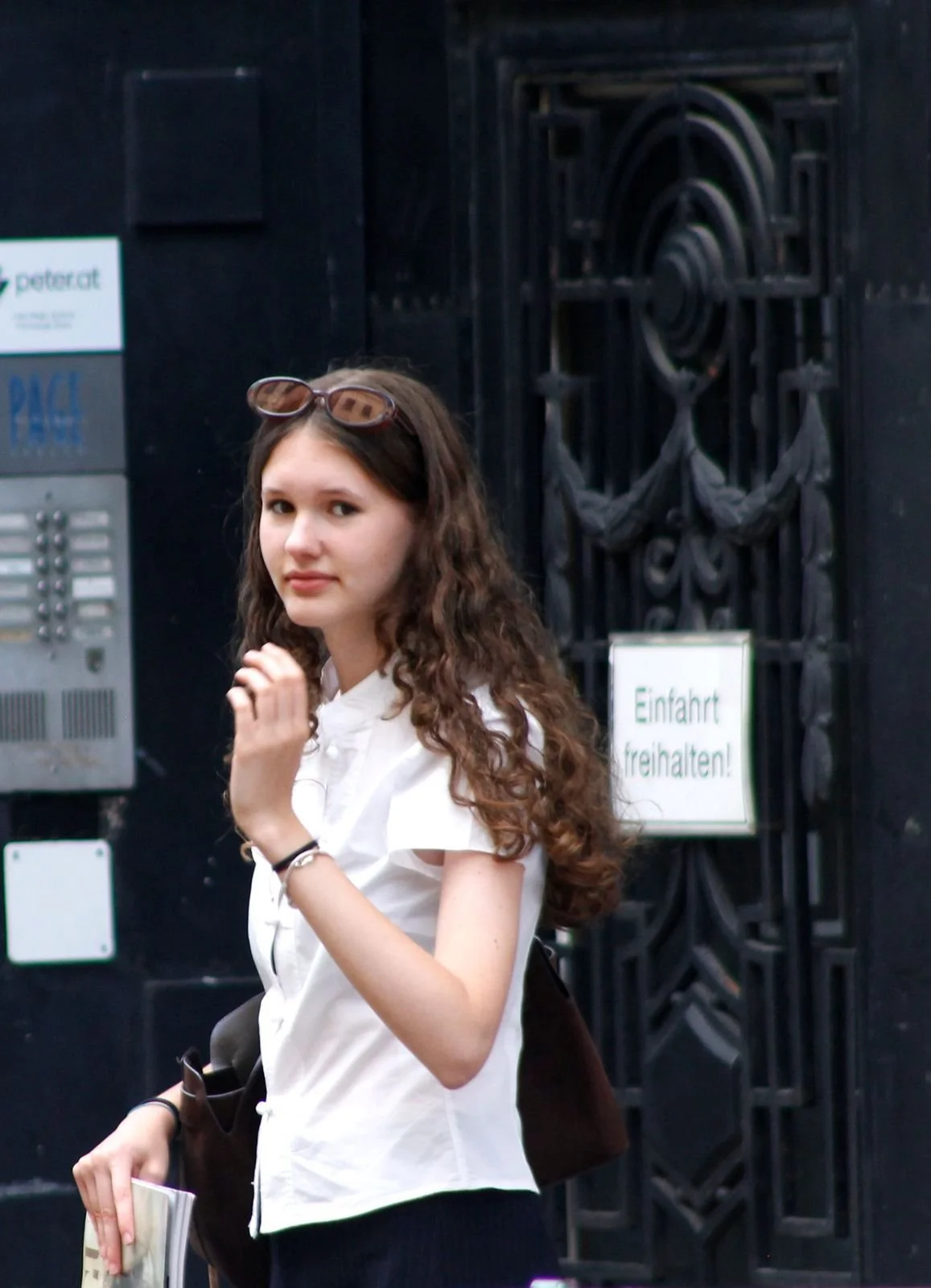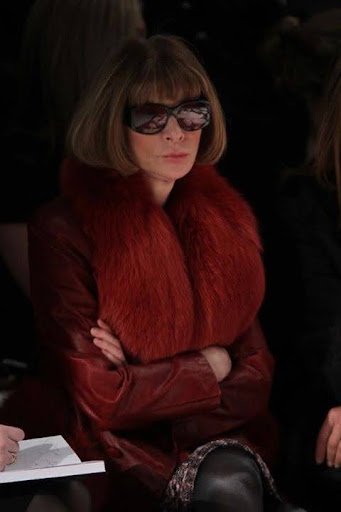
Have you ever been in a situation where you saw someone in an outfit and you just put them in a drawer in your mind? In German, this principle is called the “Schubladenprinzip“, where you judge someone initially based on outfits or behavior. This principle can often be an influence in racial discrimination, and if you detect you think in this way you can change that (which does not happen very often). You might have heard of the saying “Don‘t judge a book by its cover“, which often applies to anything but books. People say judging isn‘t correct, but then they do it themselves. I have to say, judging is not always bad. For example, I‘m obviously going to judge someone for being mean or racist or sexist to others.
The First Judgement
When we look at a person, their clothing is often the first thing our brain processes, and by that we may judge their personality. There are three particularly interesting mechanisms:
The Halo Effect: It only takes one positive characteristic to make someone‘s negative characteristics “less worthy“. Someone wearing an expensive suit might seem trustworthy and responsible (even though they might be wearing sneakers with that).
The Devil/Horn Effect: The opposite of the halo, one negative characteristic makes the positive characteristics less worthy. Someone wearing a dirty hoodie full of holes might seem aggressive or dangerous (even though they might be wearing perfectly cut jeans and designer shoes).
First impression bias: The first look is the most important. Through the network we created at the first 0.3 seconds of seeing a person, we interpret everything that follows.
All these mechanisms influence how we perceive a person, how we act around them and every social interaction we have with them. Even though you might have known them for several years, you will always have one situation where you think the same way about them as you did the first time seeing them.
Maybe love at first sight is real after all?

What Makes An Outfit Suspicious?
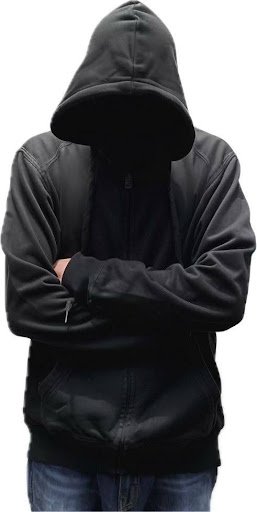
Imagine two people accused of the same crime. One of them robbed a bank, the other one is innocent. Person A arrives at the interrogation in a navy blue tailored suit and dress shoes. Person B arrives in an oversized hoodie, ripped jeans and dirty sneakers. Who did it?
If you are in the shoes of the detective, your first judgement will scream that it was Person B, but life is full of plot twists, because actually it was Person A.
The thing is when you see clothes (or things in general) your brain associates them subconsciously to characteristics or things you have seen before or personal experiences. In one of my articles I already talked about Enclothed Cognition, where what you wear changes your way of acting and thinking. This acts on the same principle, because the observer associates the appearance with its symbolic meaning and also, the experience of wearing the same clothes.
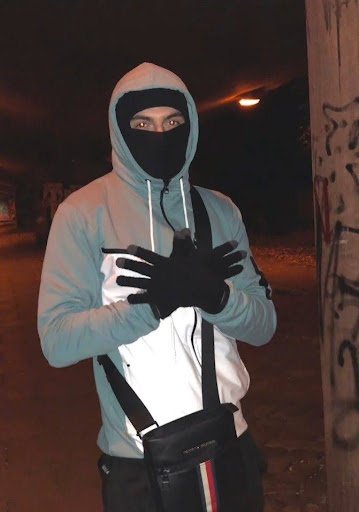
Clothes can look suspicious when it challenges society‘s expectations of what is considered respectable, trustworthy or appropriate. Dark colours, oversized silhouettes, face-covering accessories, hoodies, masks or unconventional styling can trigger associations with anonymity, aggression or concealment. However, these associations are not objective and often are based on cultural stereotypes.
Guiltiness is not always a fact presented by clothes, it‘s more something we project on the people that fit the typical “gangster“ image.
Fashion On Trial - History
There are obviously things that are banned. In every country there is something. Sometimes for good (to prevent fascism, for example), and sometimes to manipulate and as some kind of propaganda. The things we hear about the most are banned books, movies and laws that exist for obvious reasons. Yeah, so clothes were (and still are sometimes) banned. It‘s still a current topic in politics.
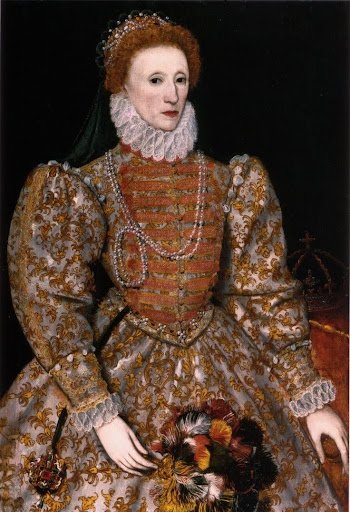
Sumptuary laws were legal codes that restricted clothing, food and luxury goods based on a person‘s social class, wealth, or rank. The key purposes were to control social mobility (to prevent rising merchants or peasants from looking like nobles), to protect trade (expensive, imported goods, like silk and fur, were restricted by the government to keep the money inside the country) and to curb debt (it was claimed that the rules protected young gentlemen from going bankrupt by buying fine clothes they couldn‘t afford). These laws were used for example in Ancient Rome (215 BC-212 AD), in Tudor and Elizabeth England (1485-1604), in Colonial Massachusetts (1634-1681) and in Edo Japan (1603-1868).
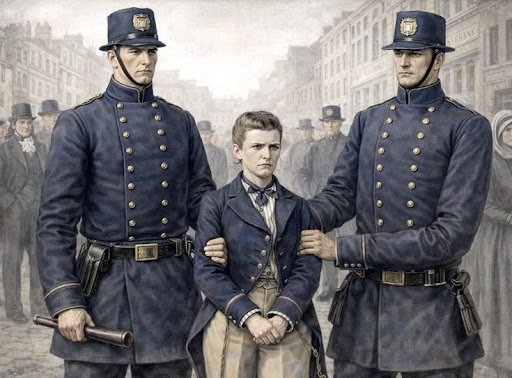
There were also gender-specific things banned, women were not allowed to wear trousers. If a woman dared to wear trousers from mid-19th century until well into the 20th century, she was arrested under charges like “masquerading as a man“ or “appearing in a dress not belonging to their sex“. The bans were much ore complex and not just “anti-pants“. In 1863, San Francisco became one of the first major U.S cities to explicitly criminalize appearing in public “in a dress not belonging to his or her sex). A lot of American cities quickly copied this law. There were significant historical arrests like Emma Snodgrass (Boston, 1852), Jennie Westbrook (New York, 1882) and Helen Hulick (Los Angeles, 1938). These laws are much more recent than we realise: Paris, for example, made it illegal for women to wear trousers without written permission from the local police department. This law was not technically or officially repealed until 2013.
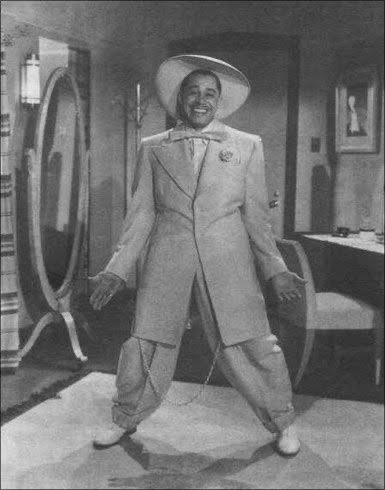
Not only genderspecific, but also youthspecific bans were made. The criminalization of youth style reflects a clear historical pattern: when a subculture challenges itself to use and create new things, they make the society of adults uncomfortable. I mean the same thing is happening right now with social media debates and similar things. They see this as a public threat. In the mid-to-late 20th century, the emergence of teenagers with independent spending power and distinct social identities triggered massive moral panics in the media and legal systems (for example the Zoot Suit Riots in Los Angeles 1943, which during the WW2 wasn‘t seen as patriotic and white men attacked Mexican American and African Americans wearing these suits on the streets and they were later banned or similar scandals like The Teddy Boys in the UK in the 1950s or Mods vs Rockers in the 1960s). More recent bans were practised in the 2000s, where the policing of youth apparel transitioned into commercial admission policies and explicit municipal ordinances. There was the “hoodie“ bans in the 2000s in the UK, where a shopping centre banned hooded sweatshirts or baseball caps, claiming they hid faces from CCTV cameras and intimidated shoppers. Sagging Pants were criminalized at about the same time in the U.S., where several towns across Louisiana, Georgia and Florida banned trousers low enough to expose underwear. Both bannings were heavily criticized by civil rights organizations and stopped by the government.
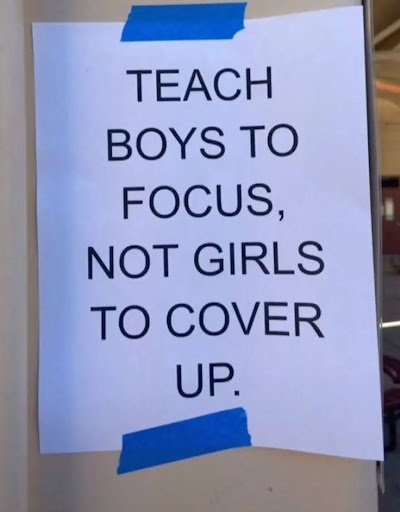
What also is a very common debate are school dress codes. These dress codes often operate like moral tribunals, where female students‘ bodies face constant, institutional scrutiny. The majority of school dress codes involve short lengths, spaghetti straps, exposed shoulders or tight clothes, justified by claiming they “distract male students from their education“. A lot of times, girls are pulled out of their class so that the staff can check the clothes, e.g. by measuring skirts with rulers. If they don‘t correspond to the restrictions they are sent home or placed in isolation rooms, sacrificing valuable learning time over a clothing infraction. Worldwide, students have launched rebellions and protests with banners like “Teach boys to focus, don‘t teach girls to cover up“.
And we thought clothing bans were in the past.
The Criminal Aesthetic In High Fashion
You might have seen a few collections and thought “oh my god, this looks straight out of a gangster movie. That‘s so cool.“ But in fact, the romanticization of criminality in fashion is one of high fashion‘s oldest and most lucrative obsessions. The use of visual characteristics of lawbreaking, danger and state surveillance makes fashion taps into a psychological desire for rebellion, power and stepping out of one‘s comfort zone. However, the exact same aesthetic that grants a wealthy person cultural edge can mark a marginalized person as an immediate threat.
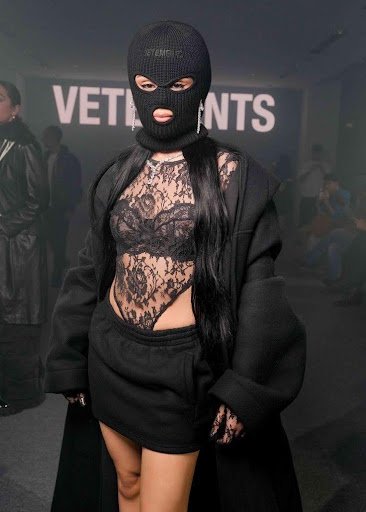
Of course we all know Alexander McQueens‘s, John Galliano‘s and Demna‘s dark aesthetic collections. In the 1990s and 2000s, McQueen channeled raw, dangerous themes (using models who looked like fleeing fugitives or crime victims), where the models‘ faces were painted dark or masked, to mimic the “bank robber in disguise“. Galliano‘s “Chlochards“ was one of his most controversial collections, which was inspired by the unhoused and criminally marginalized populations of Paris, using newspaper prints, safety pins and torn fabrics. Under Demna, Balenciaga leaned into post-apocalyptic, illicit aesthetics featuring oversized leather jackets, heavy boots and garbage bags as luxury goods. Other brands like Miu Miu and Moschino have released editorials and accessories styled directly after classic police mugshots.
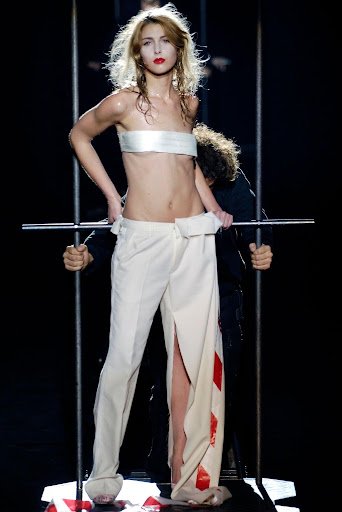
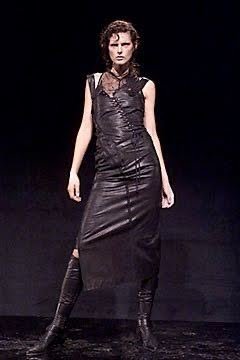
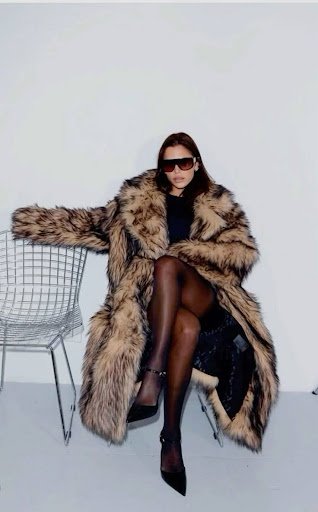
The Mob-Wife/Mafia-Wife aesthetic has also become a very popular aesthetic, featuring black, elegant dresses, fur coats, dark oversized sunglasses, leopard prints and heavy gold jewelry. It represents a dangerous, powerful woman, who is smart enough to organize a crime. It's like the opposite of the “clean-girl-aesthetic“.
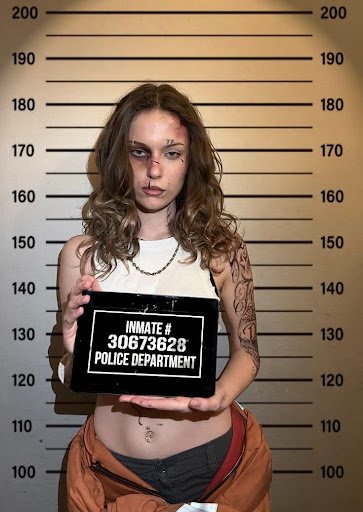
The romanticisation of criminality also has made its way across social media, where people cosplay as a criminal with smeared mascara, black eyes and bruised lips while posing for a “mug shot“. By that, young people forget how it really is to commit a crime and how bad the actual consequences are. It‘s treated like a flat aesthetic canvas. Dressing like a criminal becomes a consequence-free rebellion for young people looking to project edge and mystery.
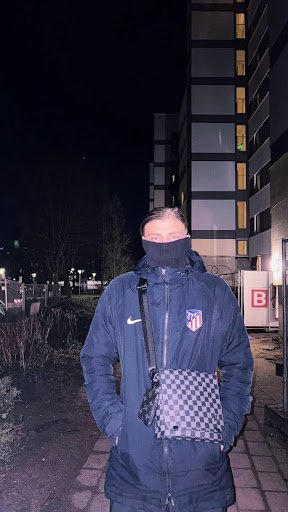
There is a big paradox called the “Balaclava-Paradox“. Baclavas are scarves that serve as a headpiece that sometimes covers the face. If worn on a high fashion runway it‘s seen as chic and cool. Influencers use it on the street because it‘s chic (or to protect from the cold). But if worn in a middle-/low-class neighborhood you are scared of being attacked or robbed (especially if the person is a POC). With influencers you can understand that they want to stay anonymous but with especially young people from a lower-class neighborhood you can‘t, even though they are wearing it to protect themselves from the cold.
You want to be a criminal? Buy a balaclava and some hoodies and you‘re good to go.
Surveillance And Profiling
Like in our brains, clothing is the first data point processed by the systems of modern surveillance. Obviously, the first judgement plays a big role. The criminalization of fashion now doesn't consist of historical sumptuary laws (at least not everywhere), it consists of retail profiling, police tracking and judgments.
The brain acts before surveillance tools. Human guards are trained to use clothing as a predictive tool to recognize an intruder faster. Stalked by staff are the people who wear streetwear, hoodies, or cultural garments, but people in luxury clothing are given absolute autonomy. This procedure is especially used at airports: the outfit you are wearing can trigger a secondary screening. Used are behavioral detection frameworks. Loose clothing (so 90% of airport fits), layered garments, or untraditional silhouettes are often flagged as potential concealment mechanisms and with that, as a security threat.
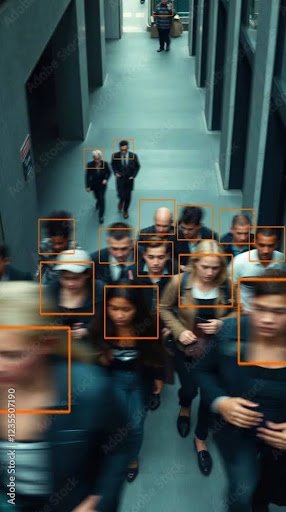
Modern surveillance systems have turned the human body into a readable stream of data (so a lot of 1000111010100). AI doesn't only look at your face, but also at your clothes. Advanced CCTV‘s use Pedestrian Attribute Recognition (PAR), so even if you hide your face, you will be found anyway, thanks to your outfit.
In response to these tools, some subcultures have developed anti-surveillance clothing. Brands and tech-designers have created garments featuring infrared-reflecting fabrics that can blind facial recognition softwares. These clothes have hidden electronic signatures, which overload and confuse digital tracking matrices.
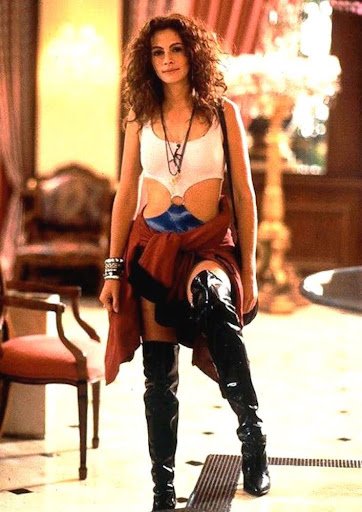
I think we all know the scene from “Pretty Woman“ where Vivian (Julia Roberts) walks into a luxury boutique dressed in streetwear/hippie clothes (not luxury-like) and the sales associates treat her badly and say things like “that‘s much more than you could afford“. The next day, Vivan aka Julia Roberts comes in dressed very luxurious and conservative and asks if they remember her and tells the sales associate (who is probation) that she made a very big mistake by dismissing her.
So the same person with the same bank account, personality, and, I don't know, eye colour can be treated differently, judged by their appearance. And not the appearance overall: if you walk in wearing black jeans, a white blouse and a velvet Dolce & Gabbana, security sees you as a “safe customer“. Take the same outfit but exchange the D&G by a black, customized Birkin with punk-adjacent hardware, safety pins and chrome chains, the customer suddenly shifts into a “(high) risk subject“.
After all, modern surveillance or security guards, it depends on if your clothes fit into the typical comfort zone.
Dressing Makes Your Alibi
Have you ever watched a movie where the person you least expected turns into the criminal? So exactly the first judgement, the halo-effect and well, everything can be used for criminals to look innocent. Of course, sunglasses, hoodies, and overall “hiding“ items are also used to kind of hide your face and to stay anonymous. If you understand how this works, you can easily use this to get away (I’m not giving ideas by the way). I mean you would not expect a girl wearing quiet luxury, cardigans, clean girl or coquette outfits to kidnap the president. Often, these principles are used to manipulate people by making them think you are trustworthy or “just a sweet girl“.

This can also be used as “camouflage“, especially by celebrities. To them, it is a survival tactic to retain a fragile grip on normal life. Celebrities and criminals both use it to disrupt human pattern recognition. Often, you see this in movies, criminals change their clothes after committing a crime, to look innocent and to not be suspected. Women walking home alone often want to drift into the background by camouflaging themselves (no, we don‘t want to rob your purse that has 1$ in it).
Wardrobe resets do not only happen to criminals to look innocent, but also to people who went through traumatic experiences and criminals who feel guilty for committing their crime. It is an urgent, instinctive attempt to rewrite the self. In the wake of a crime or trauma, the clothes worn during the event are instantly encoded by the brain as a site of contamination. They don‘t only carry the physical residue of the crisis (DNA, etc) but, more importantly, they carry the psychological stain of the event. Taking the clothes off or even eliminating them is an attempt to take the trauma away. After, they tend to wear oversized, shapeless clothes, and the clothes act as a force field. When the person changes their clothes, it is their first act to reclaim authority.
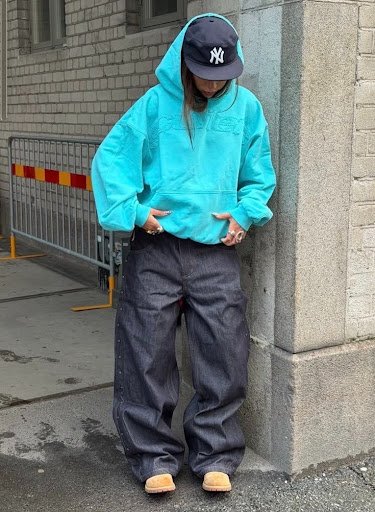
The Femme Fatale
The historic framing of the “Femme Fatale“ demonstrates how female sexuality existing outside of institutional control has consistently been criminalized by the state, public media, and the justice system. This social control is maintained through suspicion, where traditional materials like black lace, dark velvet, bold red lips, and structured corsets are systematically codified not as personal fashion choices, but as visual “evidence“ of calculated malice, deception, or an outright lack of remorse. In most cases, during high-profile legal trials, female defendants find themselves judged by the compliance with traditional aesthetics of submission and mourning rather than actual forensic facts. This double standard forces modern defense attorneys to act as crisis stylists, enforcing a strict regimen of desexualisation (cardigans, pastel colours, etc) to strip a woman of her visual autonomy on the witness stand and mimic the precise image of fragile innocence demanded by the patriarchal legal system.
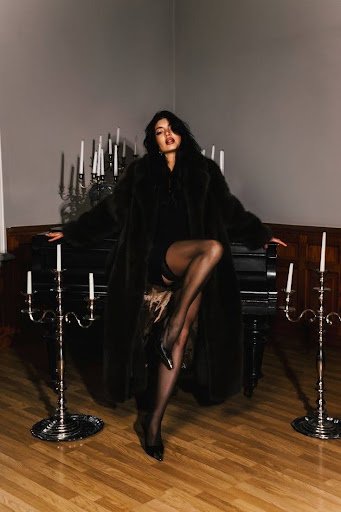
Overall, we could say, everything that challenges traditional images could get someone being questioned under four (or more) eyes with a police officer.
XOXO, The Fashion Stock Market