22nd September saw the walk of grey-skinned robots down the runway at the closing show of Vogue World Milano 2026. The humanoid droids marched down the gallery and enthusiastically waved at the audience from the centre stage. And surprisingly or not, they’ve managed to be the talk of the town more than the actual fashionable presentations of the show. Following the event, Vogue posted on its website the story behind the robots that apparently ‘divided’ the reactions of the internet, a choice of words I’d call rather…interesting.
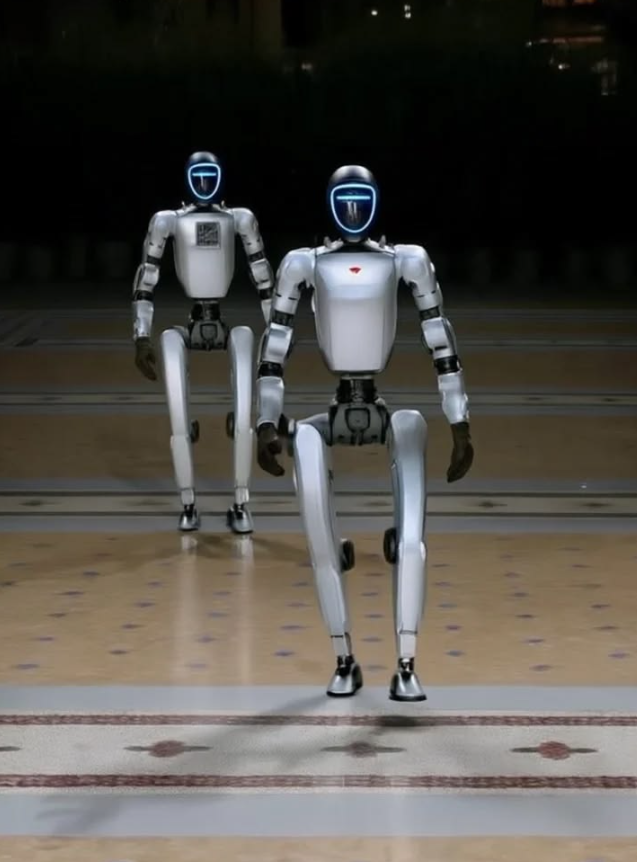
Photo: Pinterest
For a show dedicated to the appreciation of Italian craftsmanship, sending down such a display of bare, disrobed robots appeared unnecessary, distracting and even disrespectful to the concept of the show. As a matter of fact, Alessandro Michele and Miuccia Prada were observed withholding their applause during the performance, ostensibly indicating disapproval for the distasteful presentation. The comment section of Vogue’s posts which had the robots, had people constantly insisting on taking the posts down, with editorials struggling to find the positives in the situation.
It is important to note here that the dislike for the presentation isn’t solely and necessarily due to the mere usage of robots, high-end technology or artificial intelligence on the show. In fact, there have been multiple moments in the history of fashion where the domain has been intersected with technology to produce aesthetically pleasing moments with a genuine technological purpose, along with encouraging the aspects of creativity and innovation in the field. This time, however, a lot of people and the media found absolutely no purpose in having a troupe of naked robots stroll around the runway when it had absolutely nothing to do with fashion. It raised alarming questions as to where the future of fashion is headed, especially in correlation to Vogue World taking place in San Francisco next year, the city known for being the global technological hub. All this, along with the recent collaborations of Vogue with organisations like Meta, are making people wonder whether fashion will remain in touch with its roots of creativity, innovation and self-expression, or would end up being just another thing which can be monetised and executed solely for economic gain.
With all that being said, it must be noted that the usage of technology in a creative, versatile and dynamic domain like fashion has always been somewhat of a sensitive subject. Even though the intersection of the two has been beneficial to the commercial aspects of fashion without a doubt, has reduced multiple unnecessary/laborious tasks and have made the interactions between the brands and the consumers much more efficient, there have always been consistent efforts to maintain the boundaries between the two to protect the creative angle of fashion. Experts have also at times questioned the accuracy of emerging artificial intelligence models and remain confident that human connection and creativity will always remain an integral part of fashion in most of its forms and subdomains. So, it’s safe (and somewhat relieving) to say that technology completely taking over the procedures and processes of the fashion industry seems both unlikely and unwanted in the near future.
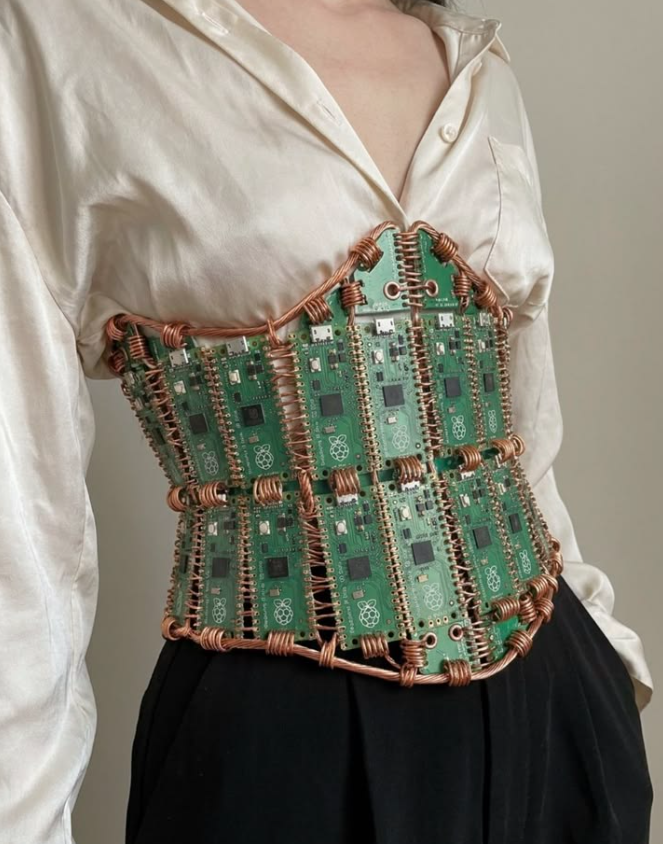
Photo: Pinterest
What do we think happens if technology and artificial intelligence completely take over the facets of fashion and annexe the soul of creation and innovation in the domain? I choose to believe that the very root and the distinguisher of fashion is the fact that the ideas behind it come from a human mind, and the ones who choose to relate to them, relate to the feeling of connecting with another human being. It is this connection which gives fuel to their interest and passion in engaging with the ideas of the industry. Sucking the soul of creation from the field and handing it out to be automated by machines would lead to a significant loss of interest, and increase in discontent for the industry from its audience. Moreover, the artificial intelligence models can operate and produce only by analysing and evaluating previous data. Hence, it makes innovation a tough task for the models since they cannot (at least as of now) generate new and extraordinary ideas very well. Therefore, artificial intelligence taking the responsibility of such jobs may result in a huge drawback for innovation in the industry, slowing down the creations and causing the fashion scenario globally to operate in loops and cycles of huge time periods.
We’re at such an unpredictable stage in terms of development that one can only be hopeful that fashion stays true to its nature of originality and artistry, and does not become just another tool for monetisation and financial gain. There are only so many domains that are welcoming the increasingly quick-paced transformations within technology and artificial intelligence with open arms without any hesitation, and fashion does not have to be one of them.
XOXO, The Fashion Stock Market