We’ve previously been in an era of color blocking. Patterns went out of style after the chevron obsession in the early 2010s. Obviously, like with every fashion trend the public swung the opposite way and went towards no prints. For years we’ve seen patterns fall in and out of style. There was a brief resurgence of cow print during quarantine, but that was quickly identified as a micro trend. It is only more recently that patterns have had a resurgence, not only rising in popularity in spring and summer.
As I am sure all of you have seen, polka dots have quickly become the face of 2026. Every type of polka dot is marketed and easily favored. We have also seen a rise in cheetah print reminiscent of an early 2000s aesthetic.
So, it begs the question, why exactly are patterns coming back in such a big way? The simple answer is that it's due to the speed of the trend cycle, but it is a bit more complex than that. If we look throughout fashion history in the past 50 years, busy patterns have never really disappeared, they were just toned down in certain eras of style.
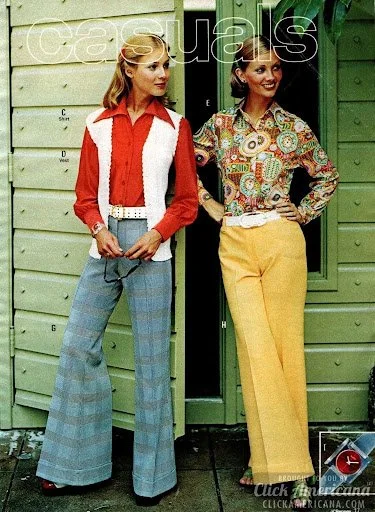
Photo: Click Americana
The 1970s focused a bit more on color blocking but definitely saw more busy patterns than the 1960s, which prioritized single colors, and sometimes big patterns.
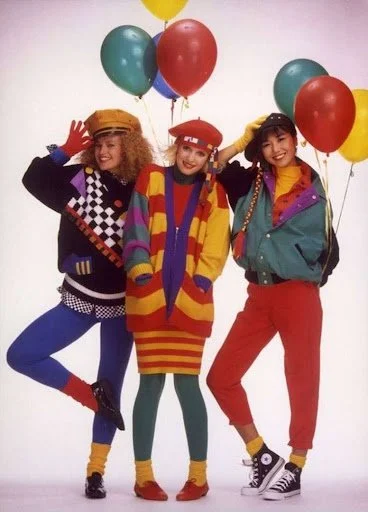
Photo: Fan Forum
In response to the excessively busy patterns in the 1970s, similar patterns began to be viewed as outdated. They looked at clothing in the 1960s and that color blocking could be considered trendy. Only this time they brought a futuristic spin with bright colors making the clothing excessively big and loud.
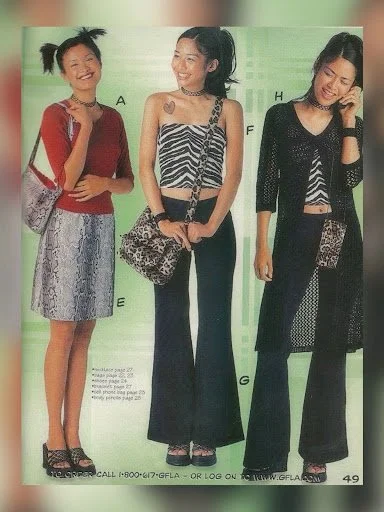
Photo: Pinterest
Clothing in the 1990s was very muted because of the bright colors in the 80s. Animal print had its first real resurgence at this point and plaid also became very popular. The body was used as a fashion accessory as well with skin showing very often.
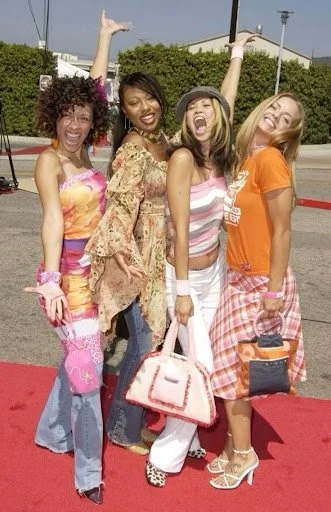
Photo: Pinterest
Patterns became super popular in the 2000s, zebra print was out but cheetah print rose in popularity. Patterns were usually on tops with more plain bottoms, colors also began to brighten.
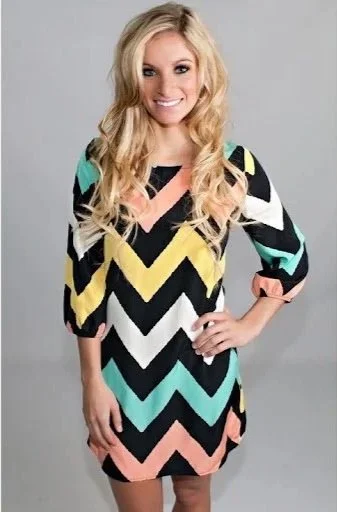
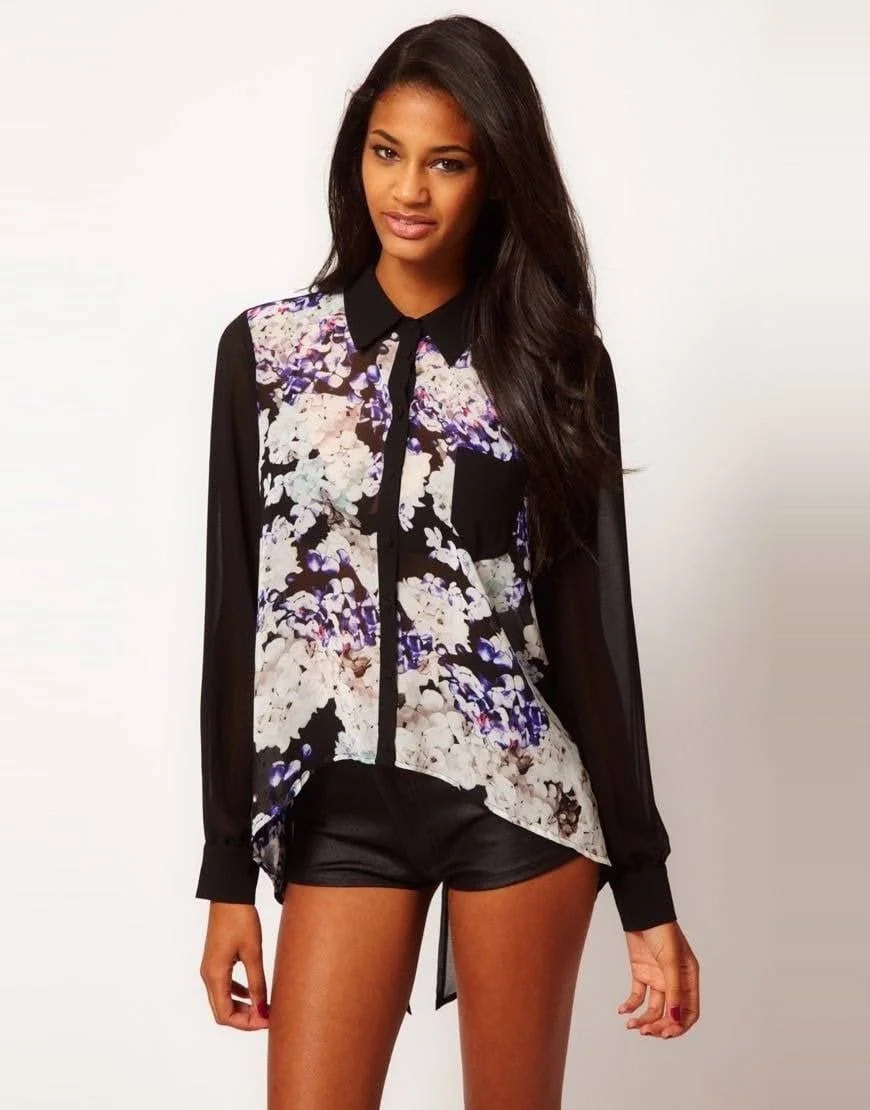
Photo: Pinterest
The 2010s saw another influx of prints, big floral and chevron were the most notable. Patterns were bigger and colors were more vibrant.
In the early 2020s we began to experience a sort of pattern overload. And so the popular clothing was less patterned and more muted. It’s only more recently that patterns have had this big influx.
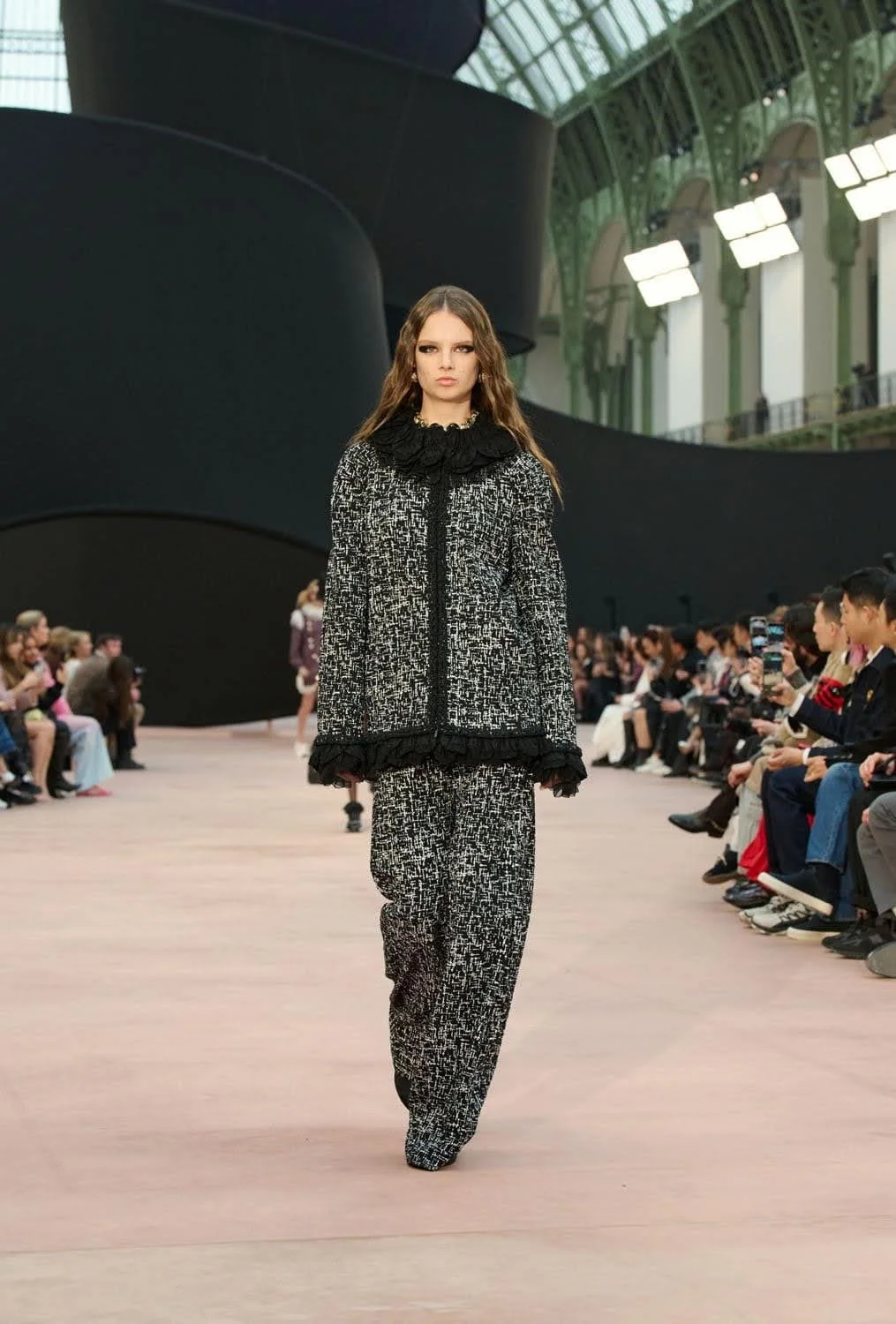
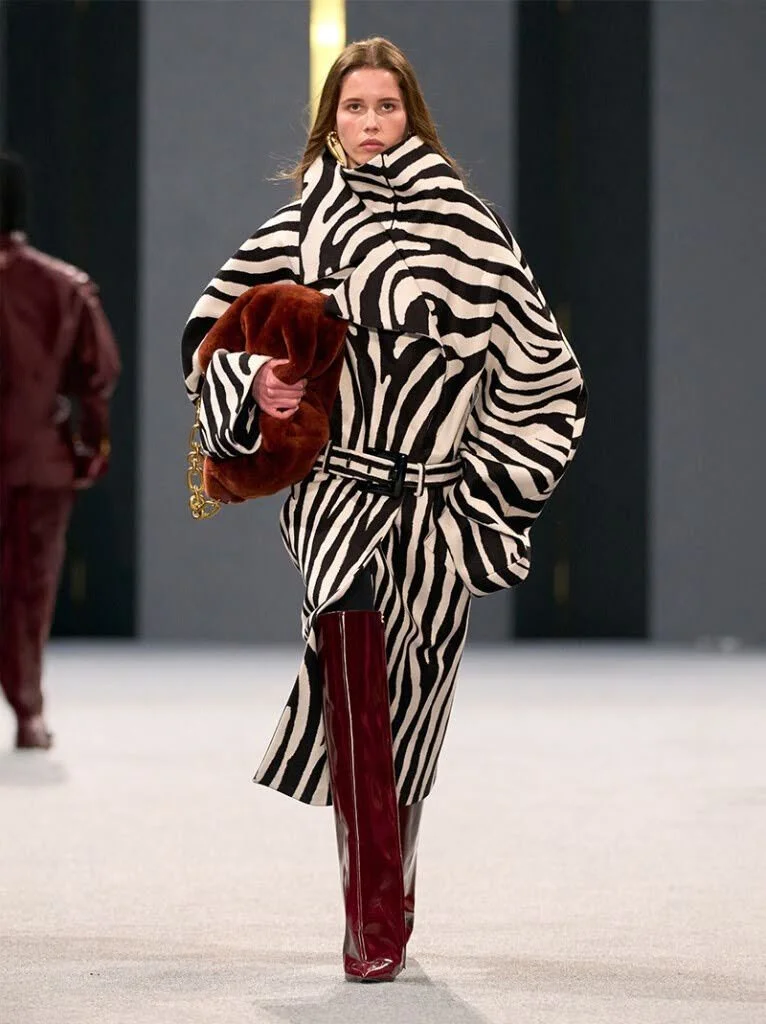
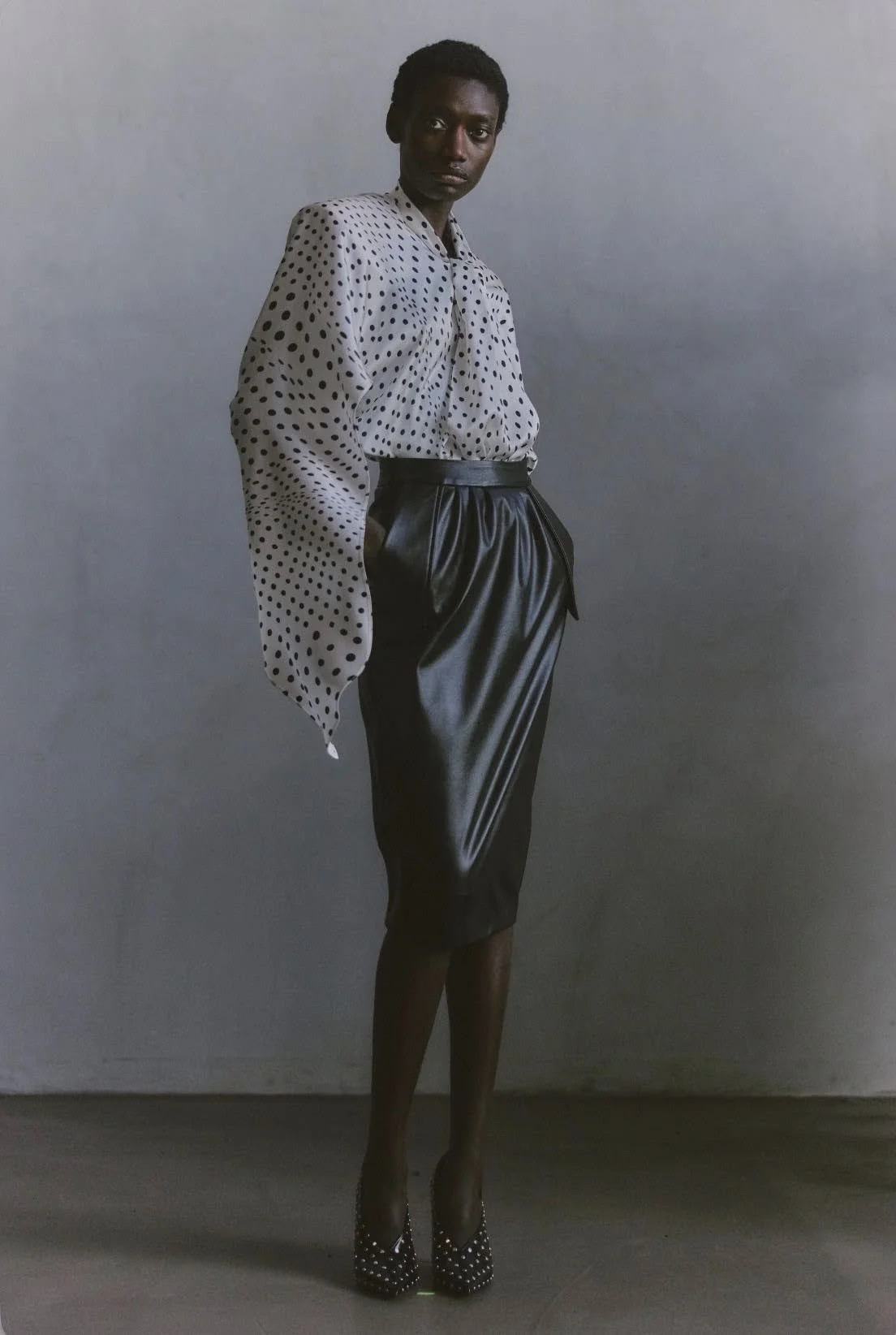
So simply we are all victims to the circular fashion of clothing trends. The aggressive popularity of patterns right now will probably lead to an interest in more monochrome clothing in the 2030s. While we love them now, once every department store has sold a print in every way they can it will leave the trend cycle (i.e. the rise and fall of bows on clothing). We can look into the past of patterns as a lesson, to understand clothing pieces longevity and ability to withstand the everchanging nature of the trend cycle.
XOXO, The Fashion Stock Market