Can what you wear change the way your brain thinks?
Everyone talks about what fashion says about you and your personality, your age and level of maturity and the political party you are probably supporting or even what your zodiac sign is. When you dress different you are weird, if you dress very 2000‘s/Y2K-y you are considered either outdated or iconic, if you always dress in sweatpants (which I consider sad, kind of, because fashion is supposed to be fun) you are cool and chill or unprofessional. What you wear says a lot about you and how you are already thinking.
But can that change with just a style shift?
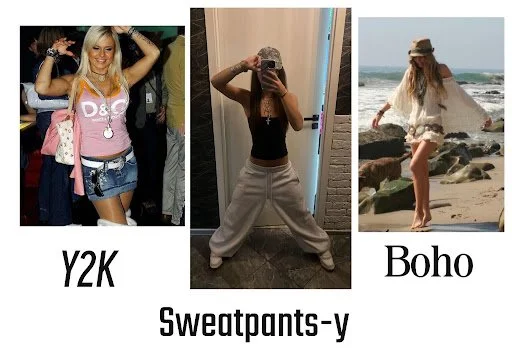
Photo: Pinterest
Enclothed Cognition
Enclothed Cognition is a psychological phenomenon which proves that clothes can change the way you think (bam, there it is). It‘s based on a few studies, the most famous of them from Hajo Adam and Adam D. Galinsky, who proved that it works on two main ideas. The first one is the symbolic meaning, where your brain links specific clothes to specific traits (e.g. a suit is often associated with power, a doctor‘s coat with intelligence, etc.). The second one is the actual physical feeling, where a clothing triggers the mental state tied to that symbol (e.g. you actually feel more powerful when wearing a suit, etc.). In the study, Adam and Galinsky did three experiments. In the first experiment the participants were randomly assigned to wear either a lab coat, a painter’s coat or their own clothing while answering questions. The people with the lab coat answered more efficiently, because just the fact that they were wearing a lab coat made them increase their selective attention. In the second and third, the same process was varied, like e.g. in one they were exposed to the coats and had to assign a scenario. In other studies they used the same principle, but with clothes considered more upper-class or lower-class, and bike helmets vs. baseball caps.
This proves that clothes can also change the way we act.
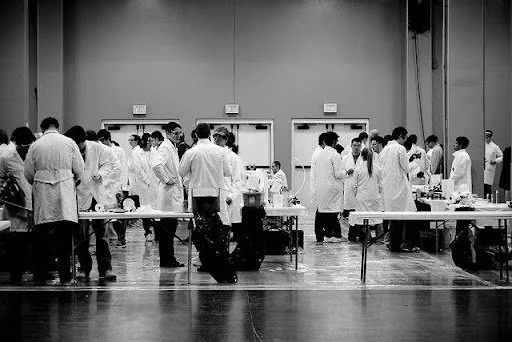
Photo: Pinterest
Power Dressing and Confidence
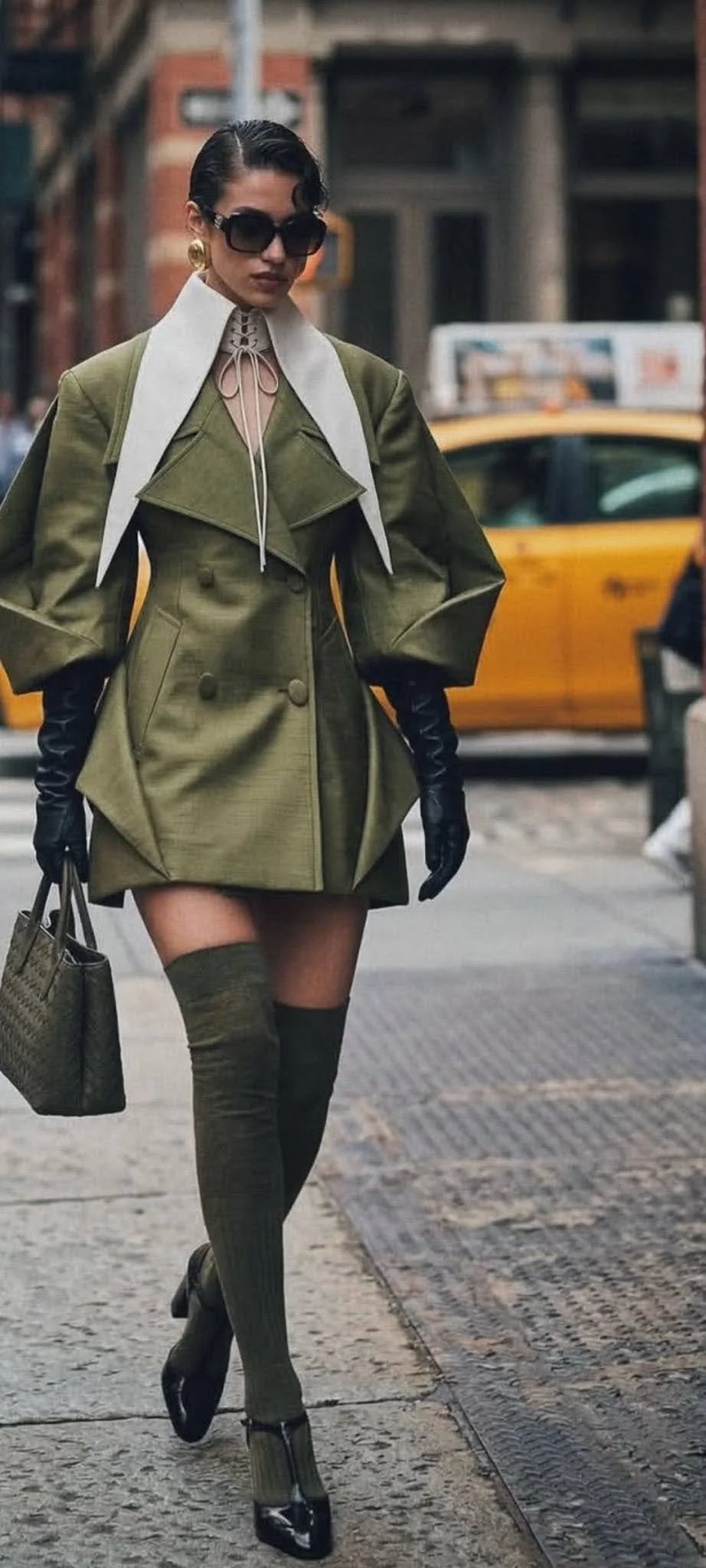
Power Dressing is a strategic use of clothing to express authority, competence and confidence. The principle of enclothed clothing is actively used to seem more professional, because it actually reprograms the way you think and act (to answer the question), more specifically the mindset and altering of the posture, focus and internal sense of capability. It signals strength and control to your brain and professionalism, responsibility and conscientiousness to colleagues, friends and even your (extended) family. What plays a big role is not only wearing luxury brands, but the tailoring, the colours, and fabrics and textures. Shapes that hug your body features are better than shapes that look like you are wearing a potato sac, darker colours like black, navy blue, dark (olive) green and burgundy look more serious than lighter colours like coral, light blue, light red, which are often seen as bold and unprofessional. Natural fabrics like wool, silk, and structured cotton make one look grounded, but cheap plastic fabrics seem, again, unprofessional.
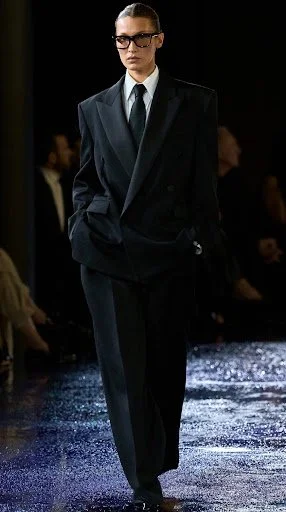
Photo: Saint Laurent Spring 2025
Uniforms and Identity
There are many purposes of uniforms (often used in debates on if school uniforms should be used or not) like the building of group pride and stronger teamwork. Uniforms are just a shared symbol which replace personal clothes. They are used for team unity, where the uniform shows who belongs to which group, shared values, in order to build trust and loyalty among coworkers, and quick recognition, so that other people can distinguish the group as individual. There is also an individual impact, where the person can shift faster into a working mindset, and especially at schools with uniforms, there is less stress in who-dresses-better-who-has-more-designer-pieces competitions (which become nonexistant), but the downside is a loss of expression, because strict rules can make students feel less unique and creative.
My favourite example to show the unity of a working group is in the TV-series Brooklyn Nine-Nine, where the captain makes them all wear a tie, in order to make them more united (and with that, more efficient) as a working-group.


Photos: Pinterest
Creativity
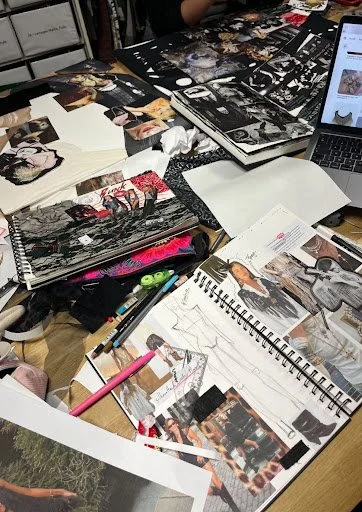
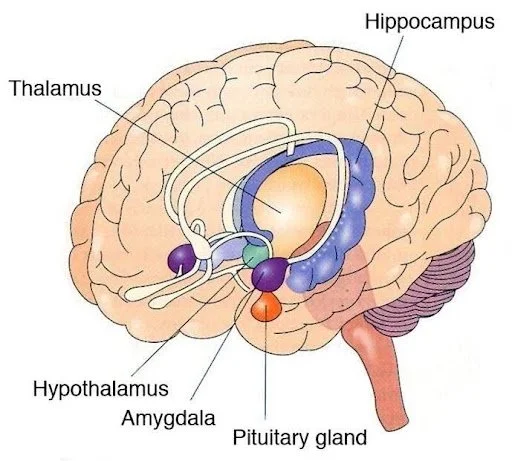
When you design clothes you are driven by three core brain networks, where the brain coordinates internal thoughts with external execution: The Default Mode Network (DMN) handles daydreaming, imagination and also trend forecasting, which allows the mind to generate abstract concepts and visual ideas. The Executive Control Network (ECN), which manages focus, logic and working memory, is responsible for applying technical rules (pattern- making, textile math, structural feasibility, etc) to the concepts of the DMN. The Salience Network (SN) acts like a dynamic switch which monitors external sensory inputs (like fabrics) and internal thoughts and filters the ideas that are valuable enough to use.
There are also sensory triggers while being in a creative state, where you touch a fabric and electrical signals are sent to the somatosensoric cortex which stimulates visual problem-solving. Breaking textile conventions forces the brain to break away from established cognitive patterns. This process (called cognitive flexibility) strengthens neural plasticity.
Photos: Pinterest
Emotional Regulations and Dopamine Dressing
Your wardrobe can also regulate your emotions. Dopamine Dressing is a concept where clothes are used to activate the brain's reward pathways and alter emotional states. Rather than dressing to reflect a current mood, you dress to proactively regulate your nervous system. There are three key mechanisms that are used here: Reward System Activation, where clothes that are associated with a positive memory or aesthetic pleasure triggers dopamine-release in the vental striatum. Heavy fabrics (coats, blazers, etc.) ground the nervous system, lower cortisol (stress hormone) levels, and signal physical safety to the brain. This mechanism acts like a proprioceptive shield. Then there is Identity Cueing, where putting on a specific uniform or high-quality garment activates the prefrontal cortex to align your behavior with the symbolic meaning of that outfit (enclothed cognition). The colour palette and fabric also play an important role. Warm colours like red and orange activate the amygdala, which increases the blood flow and heart rate so your physical energy, social attention and impulse are increased. Bright colours like yellow stimulate the serotonin production in the brain, which enhances optimism, mental clarity, and rapid creative association. Cool tones (deep blue, indigo) promote the release of calming neurotransmitters which reduce prefrontal cortex strain. It lowers blood pressure and makes you feel more relaxed, but it also strengthens focus. Soft fabrics (cashmere, silk, etc.) activate C-tactile effects that lower heart rate, reduce anxiety, and foster feelings of comfort, while rigid structures (denim, leather, etc) provide firm, constant feedback to the proprioceptive system, which make you feel boundary-y, resilient and authoritative.
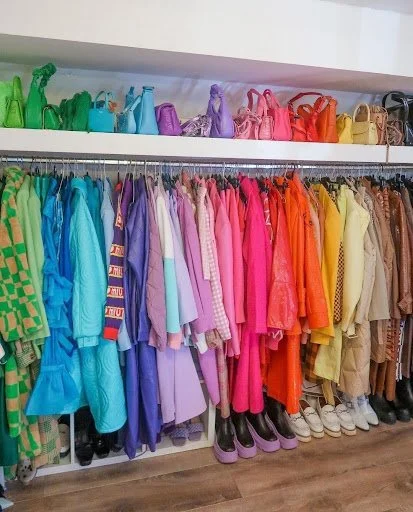
Photo: Pinterest
Cultural and Social Signs
Here is where we come to the observing part. Clothing is the fastest way to recognize social standing, cultural heritage, and group allegiances. When someone wears visible logos or rare materials it signals wealth and a high status (Conspicuous Consumption). High-status individuals often switch to quiet luxury to signal an „insider status“ to people in the same class (Inconspicuous Consumption). Then, obviously, structured silhouettes (just start wearing them already) and tailored suits emphasise a sense of power. What also gives a high-class vibe is the “red sneaker effect“: breaking a dresscode (or an expectation, for example) signals autonomy and confidence.
Then there are the group affiliations that signal similar mindsets, ideas, or having the same job or ranking. The important thing is that you can see who belongs where and who is a part of the group and who isn‘t. Groups can also be fashion subcategories like punk and goth, or a football club, or a group of doctors at the hospital.
Subcultural groups often use a subtle mark like a specific pair of sneakers to separate true community members from others.
Often clothes are used to express pride of a heritage or a political resistance. Traditional garments (like the Japanese Kimono, Indian Sari, etc.) signal historical pride and national and ethnic identity, while activists often use similar clothing like the same colour combination, etc. to express unity of a movement.
These types of clothing are often connected with pressure, when someone is scared of not being a part of the group and not being recognised, or even being forced to wear that because one is scared of the consequences.
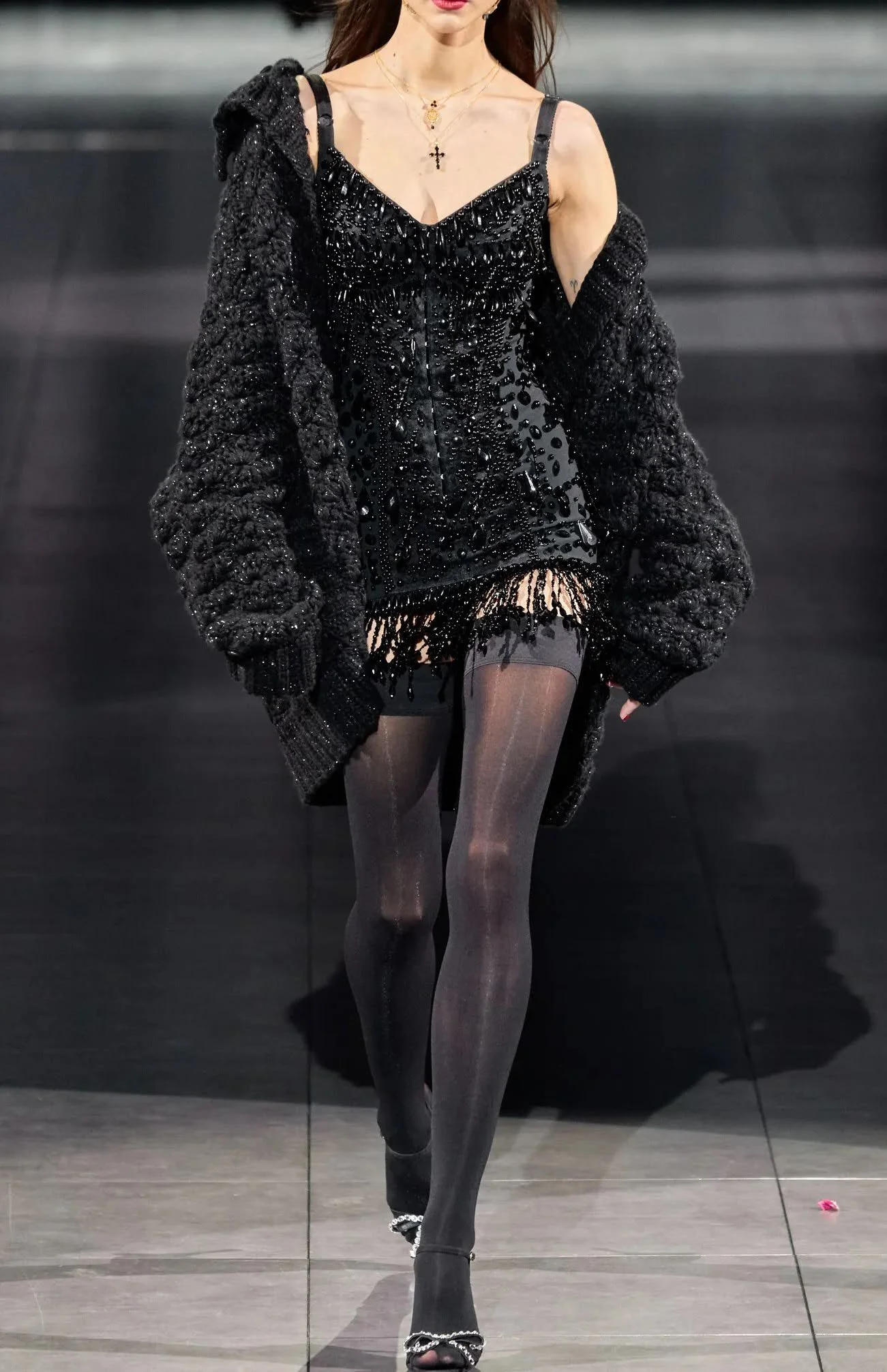
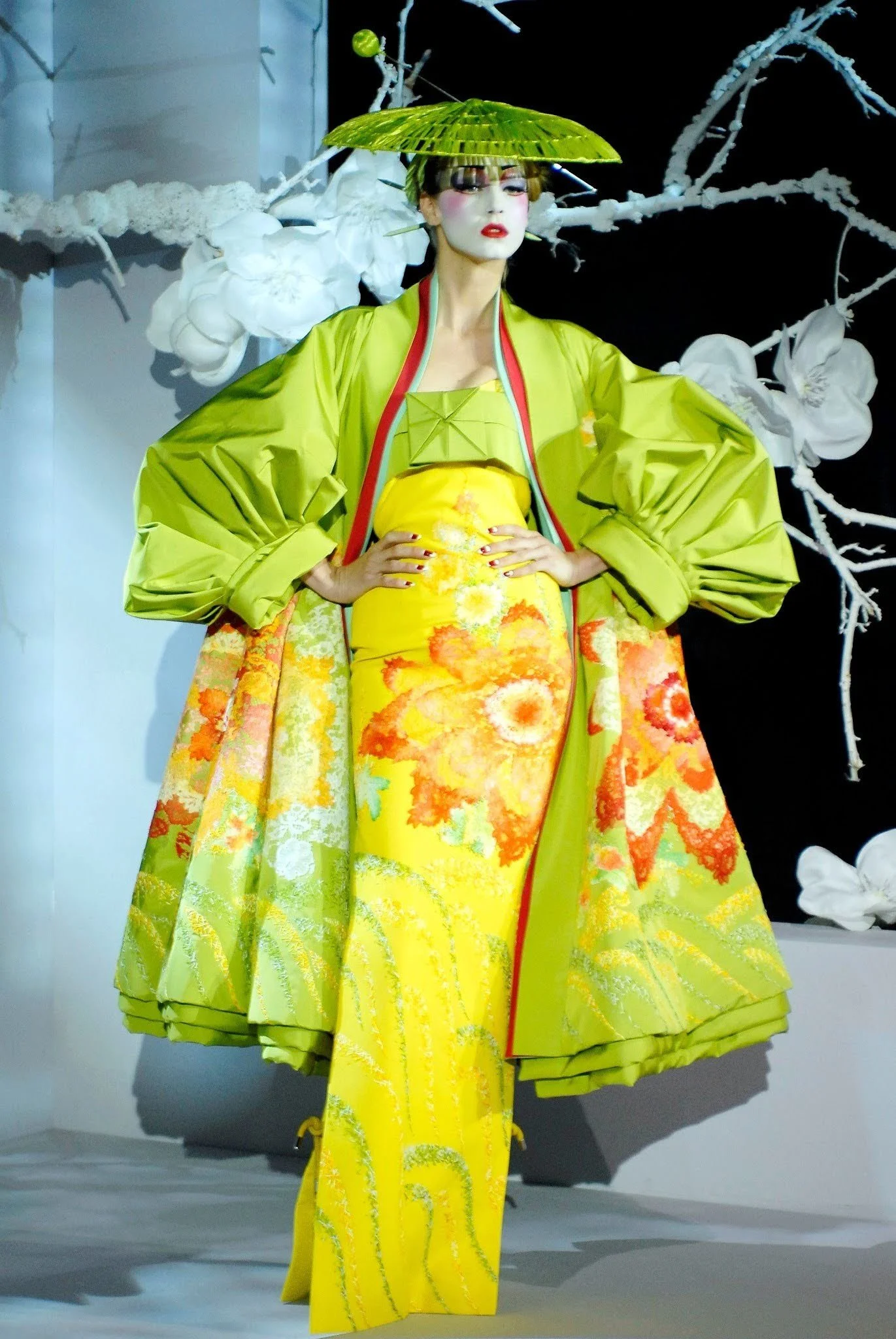
Photos: Pinterest/runway goth (10) Dolce Gabbana Fall 2020; runway kimono (11) Dior spring 2007 couture
Practical Takeaways
So that is all well and good (in German we say „alles schön und gut“) but what can you do with this information?
Enclothed Cognition and Dopamine Dressing can be actively used in everyday events, like turning the brain into sports mode by wearing sportswear or focus mode by wearing a nurse‘s uniform (or because it‘s hygienic, in this case) or a suit. There is also something called “Wearapy“, where you regulate your emotions by planning what to wear to be more relaxed or motivated or optimistic, like sweatpants and a hoodie for relaxation. In Wearapy you concentrate on how you want to feel, not how you are already feeling.
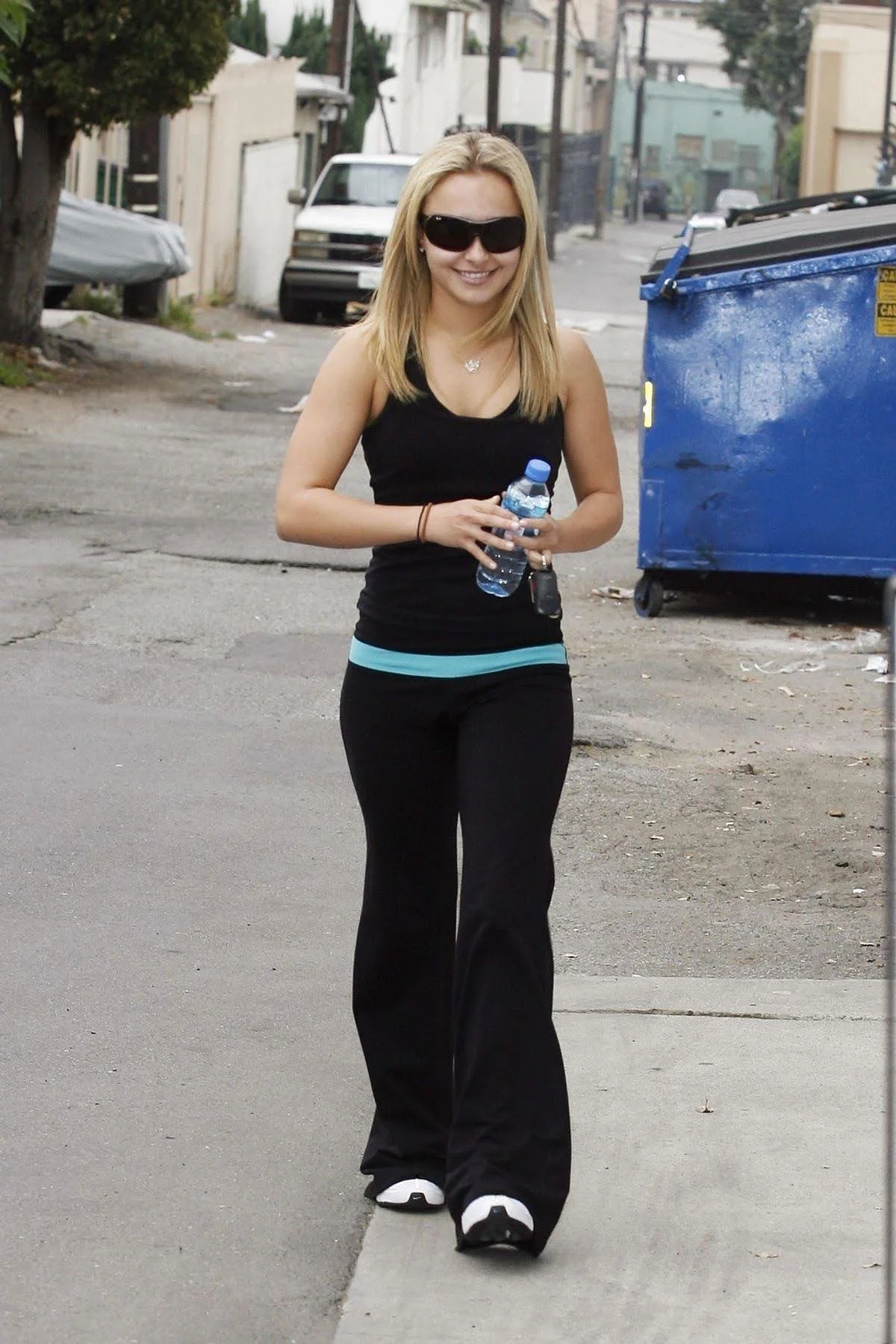

Photos: Pinterest
So to answer the question, yes, it can, in more ways than you think.
XOXO, The Fashion Stock Market