The Class History of Ballet Fashion
A few months ago, I was shopping for ballet flats online. Not only was I surprised to find thousands of results—ranging from designer (Miu Miu and Dior) to fast fashion (Shein and H&M)—but I also stumbled upon entire sections of websites dedicated to “balletcore.” Take Urban Outfitters, for example: while none of their looks seem particularly suitable for dancing, they are heavily inspired by ballerina fashion, including lots of light pinks, fold-over skirts, legwarmers, and dresses made with tulle fabric.
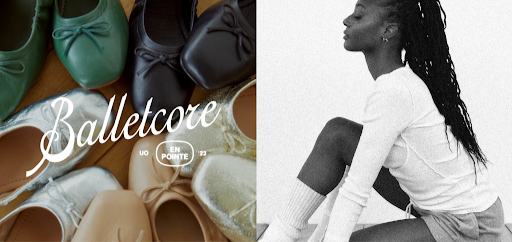
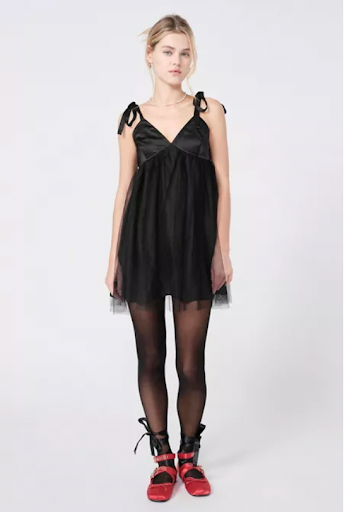
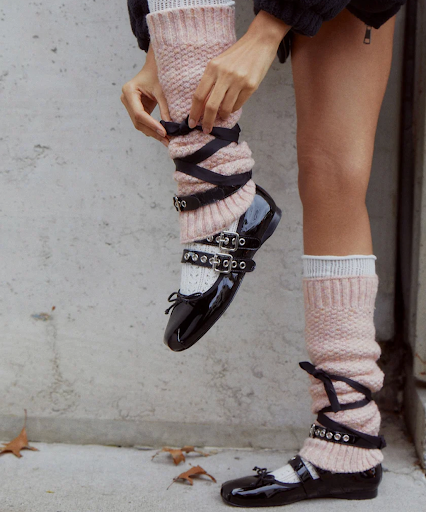
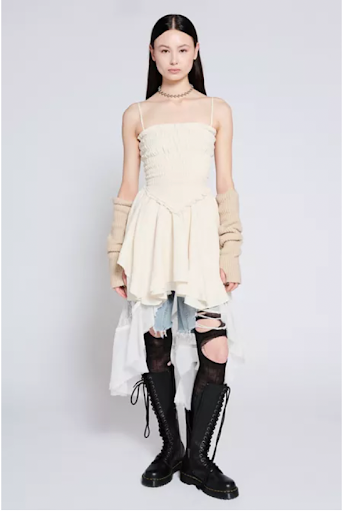
Photos: Urban Outfitters
At first, when my algorithm started showing me this trend everywhere, from people dressing like ballerinas just to go watch the ballet, to girls on TikTok mourning that they can’t be ballerinas, to aesthetic moodboards, I found the whole thing kind of cringy. And that reaction is actually what drew me to this topic. Because it’s worth asking: why does it feel that way? Why is it strange to see an art form historically reserved for the elite turned into a mass-marketed aesthetic? What gets lost in that translation?
To understand balletcore, you have to understand what ballet actually is and where it comes from. Ballet originated in Italian Renaissance courts during the 15th century, where dancing masters would teach dances to the nobility for celebrations. It was performed by the nobility for the nobility, a marker of class from the beginning. In the 16th century, King Henry II’s Italian wife Catherine de Medici funded ballet in the French Court. A century later, King Louis XIV helped popularize the art, performing on many occasions himself, and by 1681, ballet moved from the court to the stage. But even then, going to the ballet or practicing ballet was an elite, expensive activity, designed to exclude most people.
Early ballet costumes reflected that exclusivity, mirroring typical court dress: dancers wore heeled shoes and heavy costumes, including panniers, hoop skirts, elaborate trains, wigs, and jewels.
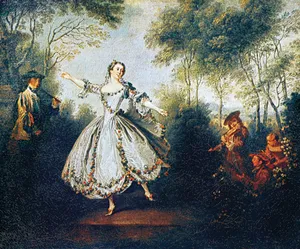
Photo: Britanica
Change came slowly. In the 18th century, ballerina Marie Camargo shortened her skirts to mid-calf length and invented heelless slippers to better show the complexity of her dancing. In the 19th century, the era of romantic ballet introduced pointe and the tutu, creating impressions of lightness and flight and portraying ballerinas as gentile and fragile.
New intrigue around romantic ballet popularized the art as a whole, driving more people to the theater and into engagement with the aesthetic. That’s the first moment the look started to travel beyond ballet itself.
That appropriation accelerated in the 20th century in waves. In post-war Europe, Christian Dior popularized cinched waists and voluminous skirts—evoking a new liberated femininity—that mimicked ballet fashion. In 1941, Vogue editor Diana Vreeland invented ballet flats, turning the pointe shoe into everyday wear. It’s worth noting, however, that Dior and Vogue aren’t exactly accessible. The ballet aesthetic was entering fashion, but still through luxury gatekeepers.
Balletcore only became more popular as movie stars like Grace Kelly and Audrey Hepburn wore the ballerina look in magazines and at award shows. In this sense, ballet fashion was something many people looked at but didn’t necessarily participate in, due to financial and status boundaries.
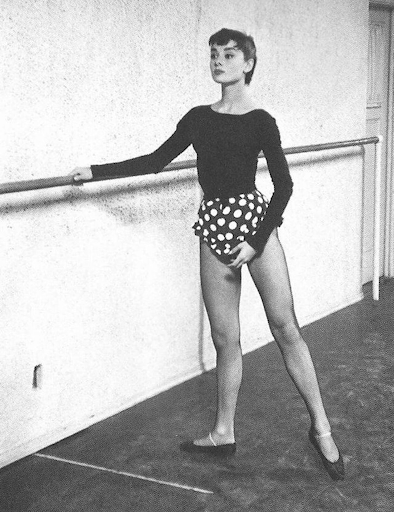
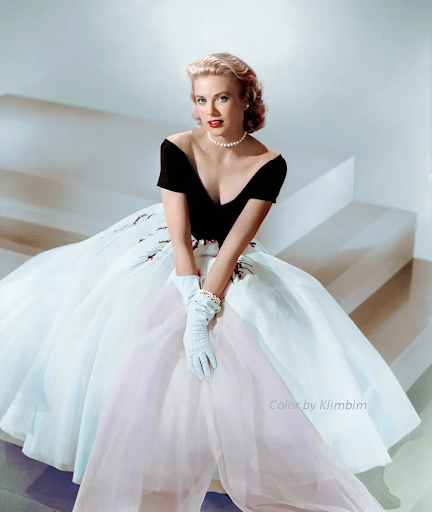
Photos: Lizobrien/Ecostyles
Then in the 1980s and ‘90s, pop stars Madonna and Cyndi Lauper popularized the tutu in an edgy fashion, styled with fishnets and fingerless gloves. Later, in the 2000s, Carrie Bradshaw in Sex and the City continued to reinvent the tutu as a casual look. Balletcore was becoming more relatable, but it was still being filtered through celebrities and the top one percent. The class ceiling kept moving lower, but never fully went away.
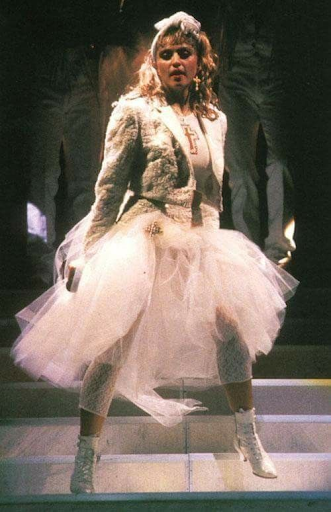
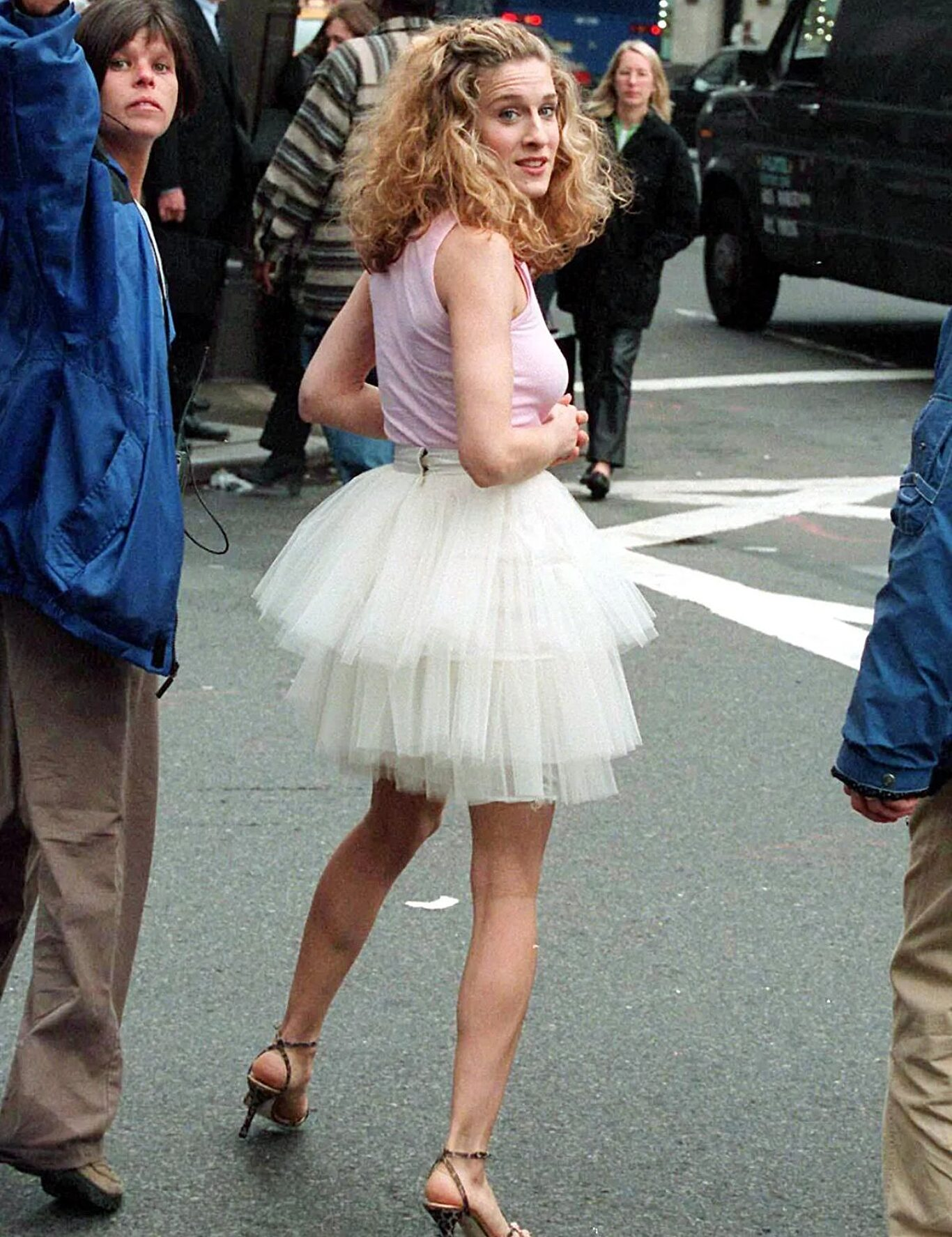
Photos: Pinterest/Australian Ballet
During lockdown, a bigger shift occurred. Lockdown normalized athleisure, and when it ended, many people weren’t ready to return to structured clothing. Balletcore filled that gap: soft and comfortable, but also hyperfeminine. Atheleisure brands caught on, beginning to sell wraptops, foldover leggings, and everything in pink. Puma even released a line of sneakers inspired by ballet flats. And at $90, the balletcore aesthetic (not necessarily the sport) was finally more accessible to the average person.
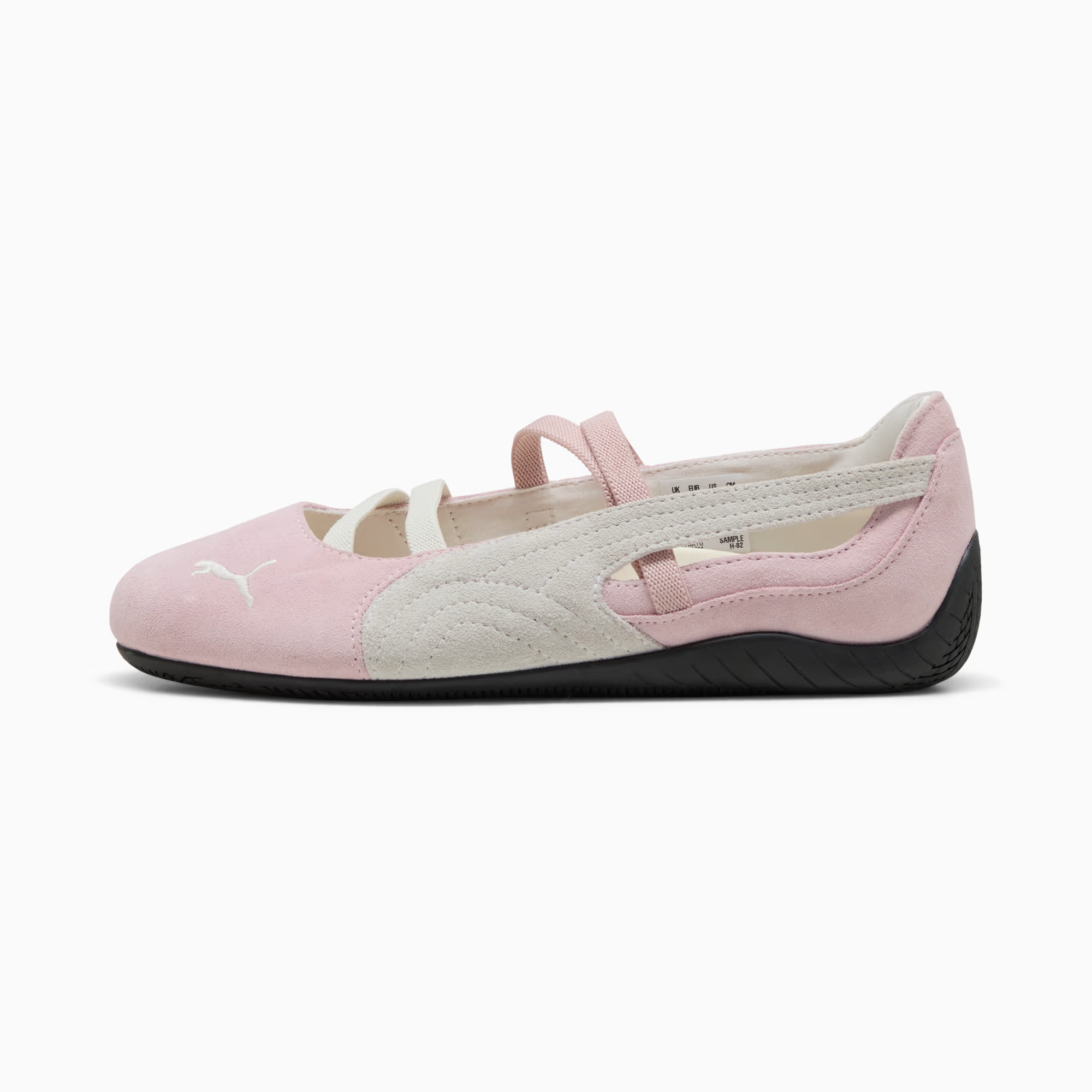
Photo: Puma
It only goes to show that fashion continuously defines and redefines class, but those definitions are always unstable, and never quite as fixed as they seem.
XOXO, The Fashion Stock Market