Knockoffs: The History
Some of the earliest occasions of counterfeiting existed in ancient Roman periods, followed by the Middle Ages and the Renaissance period. This was done mostly with “fine goods” and art pieces as a way to fool the person purchasing the item. If we look forward quite a few years, the first occasions of clothing ‘knock-offs’ as we know them today existed in the 19th century. Clothing was industrialized, and therefore it became much easier to produce cheaper fabric that looked higher quality. To combat this, many popular fashion designers (such as Louis Vuitton) began placing their brand name on products so it was easier to distinguish. With technological advancements and brands becoming more well-known throughout the 20th century, counterfeits were easy to produce and much more prevalent.
As fakes are everywhere and so easily accessible, fashion designers began to experiment with this and work on “bootleg fashion”. The first and probably best example of this is Dapper Dan. In 1982, he opened his boutique in Harlem, NYC. Daniel Day first specialized in reselling fur and leather before moving on to monogramming leather and creating pieces with luxury brand names. By doing so, he was able to create something never done before and create his own designs. It was simply stated, art. He worked mostly with street style and at the time styled mostly people of color, with a distinct focus on the rap and hip-hop scene. His styles obviously blew up, and Dan’s looks were all the rage; they weren’t valued as knockoffs but something completely separate. He ran his boutique until 1992.
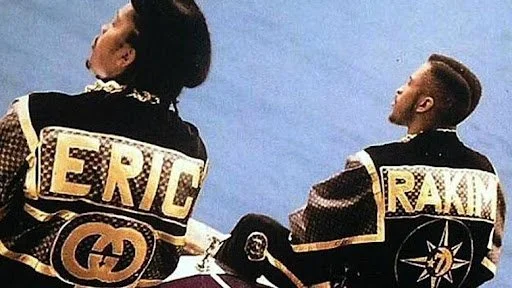
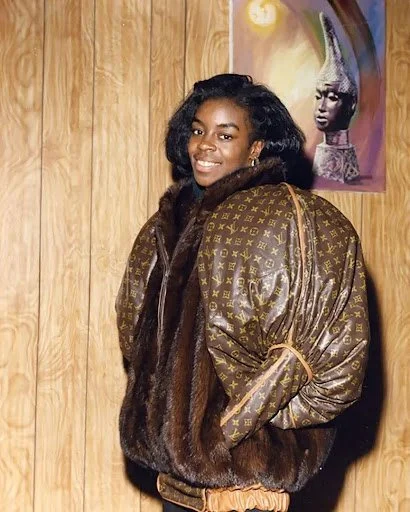
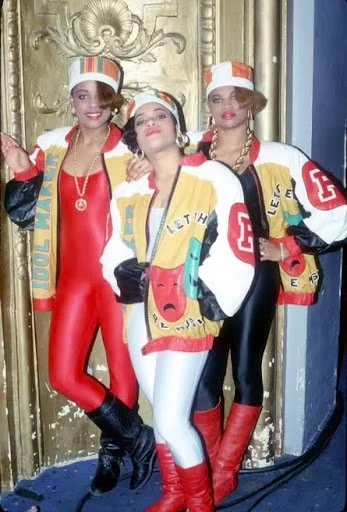
Photos: Blavity
New York has existed as a hotspot for these redesigned fakes, since the 90s, Canal Street has been a known location to purchase bootlegs. But like Dapper Dan’s designs, they very often take a more colorful and exciting look than the brand's actual merchandise. So a lot of times when purchasing these items, the intention is not to look completely real but to create a new and interesting design using the luxury brand's name.
More recently, a designer named Sonqiue Saturday made a line of bags with fake Birkin bags that have “you fake like this Birkin” painted across them. She has also released the classic Chanel bag with “you fake like this Chanel” written across it. She sells these pieces for around $250-$350, demonstrating that they aren’t existing purely as counterfeits but as art pieces on their own.
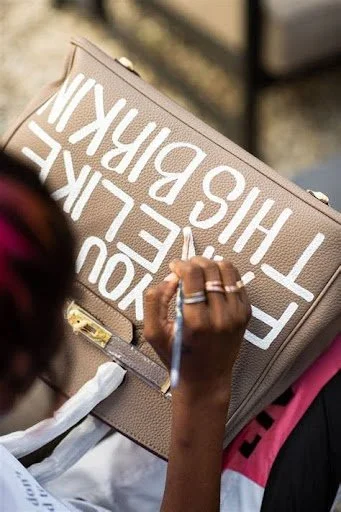
Photo: Sonique Saturday
Counterfeits will continue to exist, and in some ways, it's something refreshing to the ridiculously priced luxury goods. But by making these fakes into art pieces, it allows those unable to purchase designer goods the ability to have their own luxury pieces that are unique designs on their own.
XOXO, The Fashion Stock Market