Chanel and the Law of Luxury Authenticity
In February 1955, the iconic Chanel 2.55 handbag was introduced, forever changing the world of luxury fashion. Designed by French fashion designer and businesswoman Gabrielle “Coco” Chanel, the bag embodied her vision of liberating women from the impractical accessories of her time. By introducing a shoulder bag with a hands-free chain strap, Chanel merged practicality with sophistication, creating a design defined by simplicity, elegance, and functionality. More than a luxury accessory, the Chanel 2.55 has become a symbol of timeless style, exceptional craftsmanship, and innovation—thoughtfully designed to meet the needs of women’s everyday lives while maintaining unmistakable elegance.
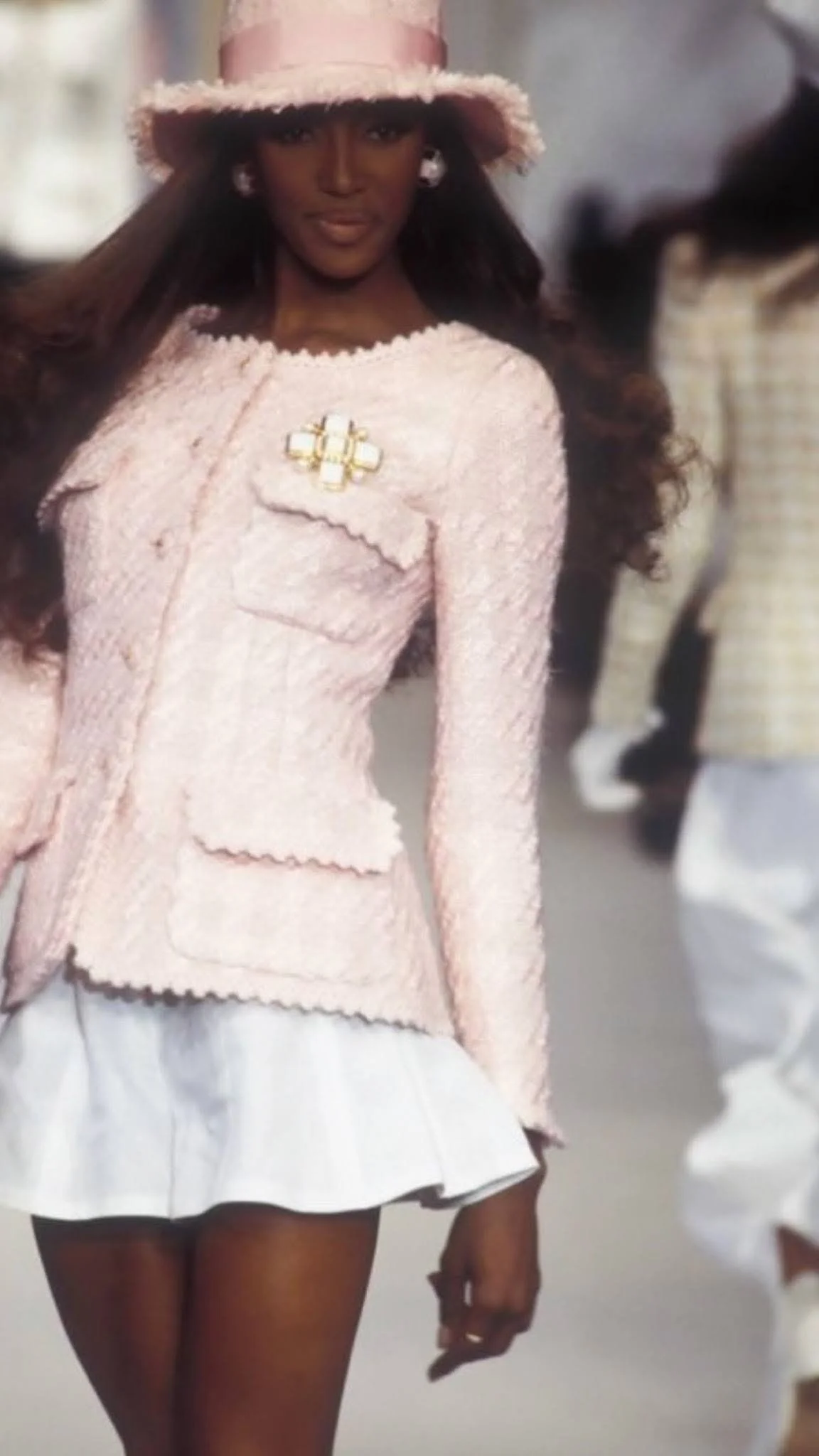
Photo: Pinterest
For decades, the Chanel handbag has remained a coveted staple in the world of luxury fashion. But what makes it so enduringly desirable? At its core, the Chanel bag is defined by its signature quilted leather, structured silhouette, iconic interlocking CC clasp, chain-woven leather strap, and refined gold or silver hardware. Meticulously crafted from the finest materials with exceptional attention to detail, each piece reflects the House’s commitment to quality, sophistication, and enduring design. Its craftsmanship and construction have established the Chanel bag as one of the most recognizable and sought-after symbols of luxury fashion.
Beyond design and craftsmanship, its value is deeply rooted in rarity, heritage, and cultural significance. Over the decades, Chanel bags have been carried by Old Hollywood icons, royalty, fashion tastemakers, and contemporary celebrities, solidifying their status as enduring symbols of elegance and refinement. Many have also become treasured heirlooms, passed down through generations as both sentimental keepsakes and financial investments.
A defining element of Chanel’s exclusivity lies in its controlled production and limited availability. By carefully managing supply and consistently increasing prices, the brand preserves the desirability and prestige of its handbags, ensuring continued demand in both retail and resale markets.
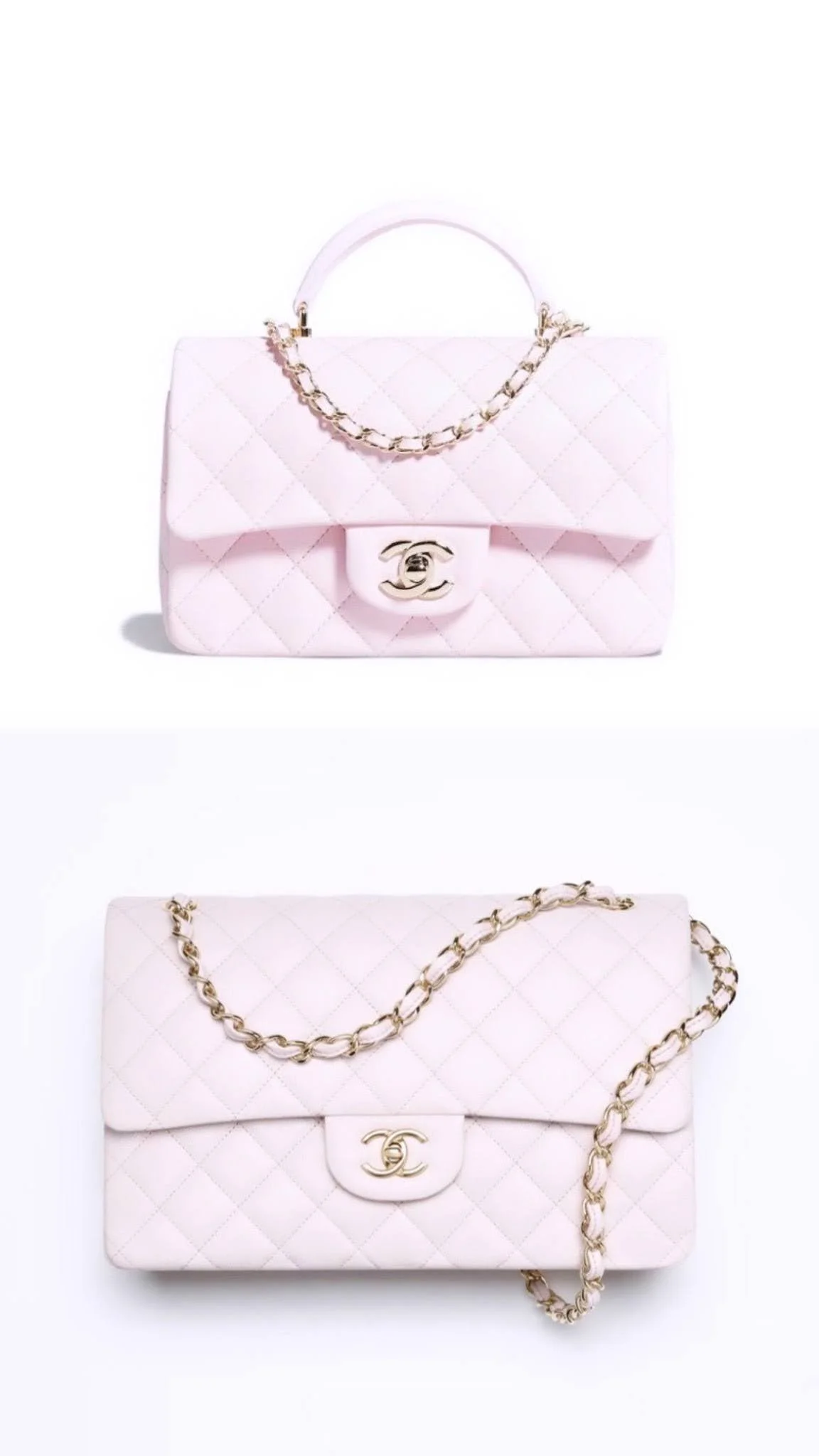
Photo: Pinterest
In recent years, the rise of the luxury resale market has further complicated this ecosystem. Collectors increasingly seek Chanel bags—particularly vintage pieces—to add to prestigious collections or resell at premium prices. Platforms such as The RealReal have become central players in this shift, offering authenticated pre-owned Chanel handbags and catering to the growing demand for secondhand luxury.
As this resale market expanded, tensions between luxury fashion houses and resale platforms intensified. In November 2018, Chanel filed a lawsuit against The RealReal, alleging that the platform sold non-authentic Chanel handbags and other products, constituting trademark infringement, false advertising, and counterfeiting. In response, The RealReal filed counterclaims accusing Chanel of engaging in anticompetitive conduct in an effort to monopolize the resale market. The company alleged that Chanel entered into exclusive agreements with high-end retailers and misled consumers by suggesting that unauthorized resellers primarily deal in counterfeit merchandise.
Chanel, however, maintained that The RealReal’s advertising and marketing falsely implied affiliation, endorsement, or authorization by the brand. The fashion house argued that The RealReal’s authenticity guarantee was misleading, as Chanel neither authorizes third-party resale platforms nor authenticates products sold through them.
Photo: Pinterest
As of March 2026, the legal dispute shifted further in Chanel’s favor. U.S. District Judge Vernon S. Broderick dismissed The RealReal’s antitrust counterclaims, ruling that they were largely time-barred and failed to meet the legal standard required for antitrust claims. The court found that many of the alleged anticompetitive actions—including Chanel’s exclusive retailer agreements and claims regarding authentication authority—occurred outside the applicable statutes of limitations. Additionally, The RealReal failed to demonstrate that Chanel’s conduct caused harm to competition in the broader luxury resale market, a necessary element in establishing antitrust liability.
Further, in March 2026, Magistrate Judge Gabriel W. Gorenstein lifted a stay that had been in place since July 2024 after settlement negotiations between Chanel and The RealReal proved unsuccessful, allowing litigation to proceed.
Photo: Pinterest
Ultimately, the dispute between Chanel and The RealReal reflects more than a question of trademark enforcement or market competition—it highlights the evolving definition of luxury in a world where exclusivity is no longer confined to boutique doors. As heritage brands seek to preserve control over authenticity and image, the resale market continues to reshape how value is assigned, accessed, and perceived. In the world of Chanel, everything may be timeless—but nothing is beyond reinterpretation.
XOXO, The Fashion Stock Market