On November 5th, 2025, the Taliban mandated that Afghan female patients, caretakers, and staff must wear full-body garments—burqas—to enter health care facilities, an order that starkly contrasts Afghanistan’s long, vibrant history of color, embroidery, and regional dress. During the country's “golden age,” women in Kabul adorned short hair, skirts, and blouses; others chose headscarves and traditional clothing. These same women who had freedom of dress had the right to education, political participation, and employment, surpassing the liberties of American women.
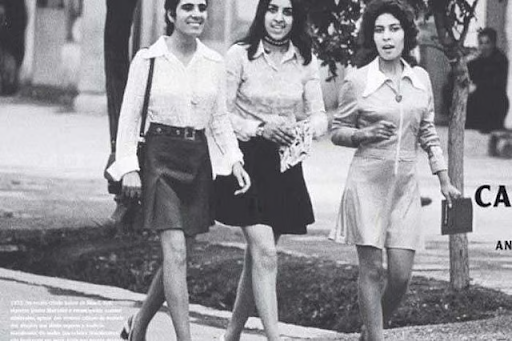
Photo: Homegrown
Since the Taliban takeover in August 2021, three extreme dress codes have been implemented on women: requiring female students to wear hijabs (late 2021), requiring women to wear burqas in public (May 2022), and intensified arrest crackdowns Ministry for the Propagation of Virtue and the Prevention of Vice of women not wearing a “good hijab” (2024-2025). Concurrently, girls were banned from attending school beyond sixth grade, women are barred from most professions and governmental positions, and women are banned from traveling long distances without a male chaperone (a mahram). Across Afghanistan’s history, fashion has represented not only personal expression but the extent of women’s rights.
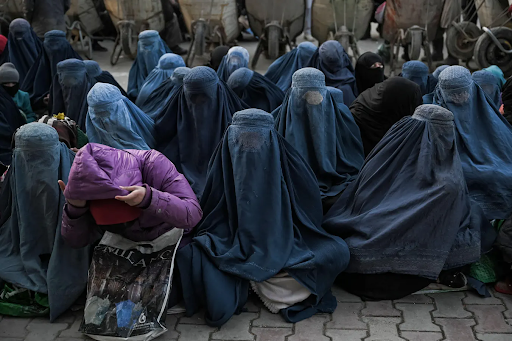
Photo: Forbes
Afghan women who disobey these mandates are arrested, physically tortured, publicly flogged, and their families are extorted. However, Afghan women living internationally have created a global social media campaign, using hashtags like #DoNotTouchMyClothes beneath photos of themselves dressed in vibrant, traditional attire.
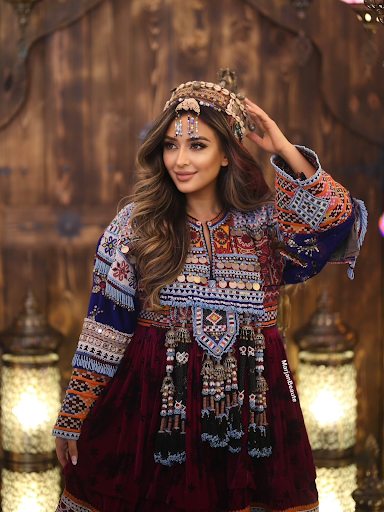
Photo: The New York Times
In the recent 2024 Olympics, hosted in Paris, Manizha Talash, an Afghan refugee breakdancer, wore a cape in her competition with the message: “Free Afghan Women.” Talash was disqualified for her protest, but her fashion statement said more than winning any medal could, speaking for all the Afghan women who couldn’t.
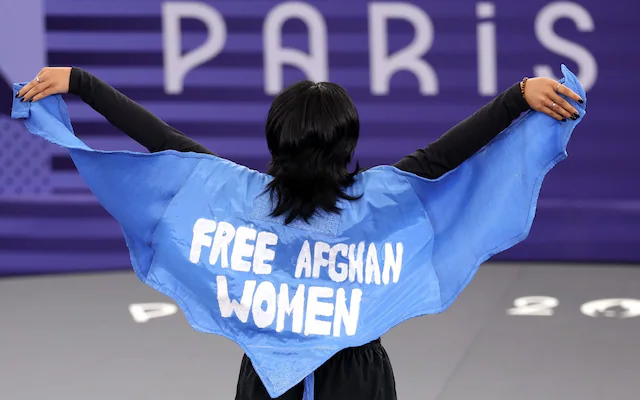
Photo: The Telegraph
Sara Rahmani, an Afghan artist based in California, deliberately paints fashion to preserve the cultural identity that the Taliban is trying to erase. In each piece, she captures both the beauty of Afghan dress and the grief of watching it be restricted.
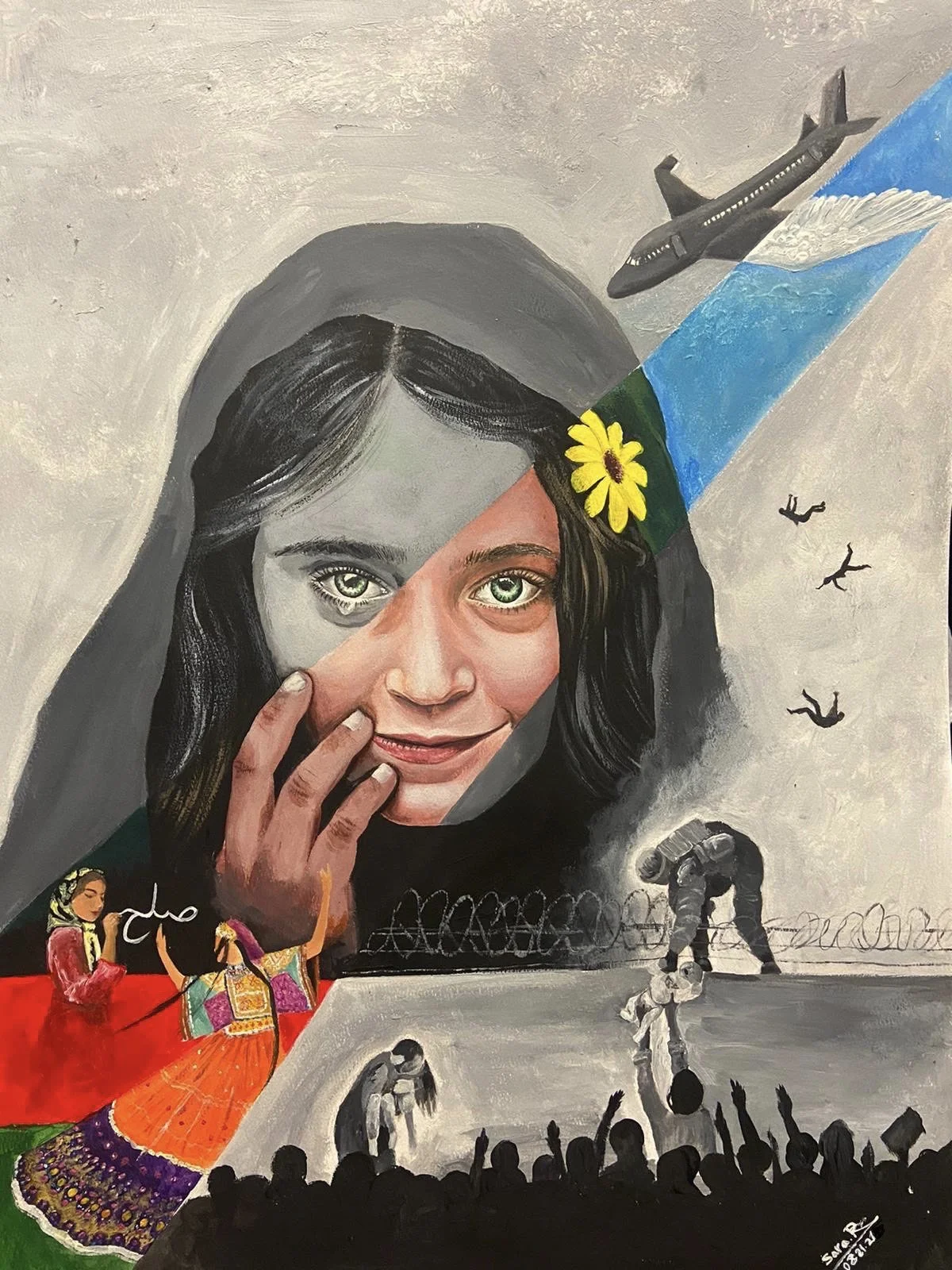
Photo from: CNN
As the Taliban attempts to control how Afghan women, their fashionable resilience persists, carrying with it a history and resilience that cannot be erased.
XOXO, The Fashion Stock Market
Cover Photo: Wikimedia Commons