For years, drag and queer culture have acted as predecessors to so many huge fashion trends. While these links are perhaps not obvious at first glance, throughout history it becomes more clear in eras where queer spaces rose in popularity. Drag is present throughout all of history, but where we first see the beginning of “ballroom culture” is in the early 1900s. Harlem became the center for the black LGBTQ+ community, specifically in the Harlem renaissance. Drag balls originated during this period, featuring extravagant gowns to tailored suits. It became integral for establishing this strong queer identity through the challenging of societal norms.
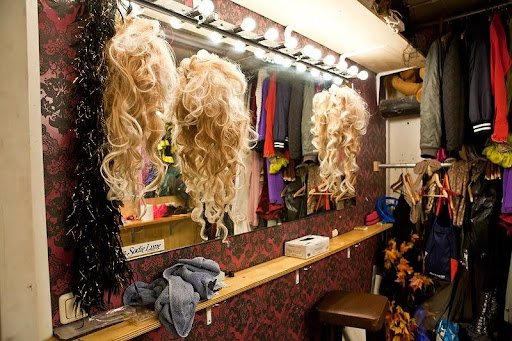
Photo: Pinterest
The post war period in the 1940s-60s saw a big rise in drag fashion, specifically through the rise of the camp aesthetic. Drag queens became a known term and they worked with extravagance.
In the 1970s disco became a platform for flamboyant nightlife that allowed drag queens to permeate the space. With that androgynous fashion also rose in popularity, specifically with celebrities like David Bowie. The Stonewall riot in 1969 also played an important role in the gay liberation movement.
The 1980s brought queer fashion into the mainstream. Ballroom culture became a popular form of expression in these queer spaces, most dominantly in New York City. It allowed people to express themselves in different categories such as realness, voguing, and face. Drag began to be seen as the art form in that it is and thus it started to be integrated into fashion.
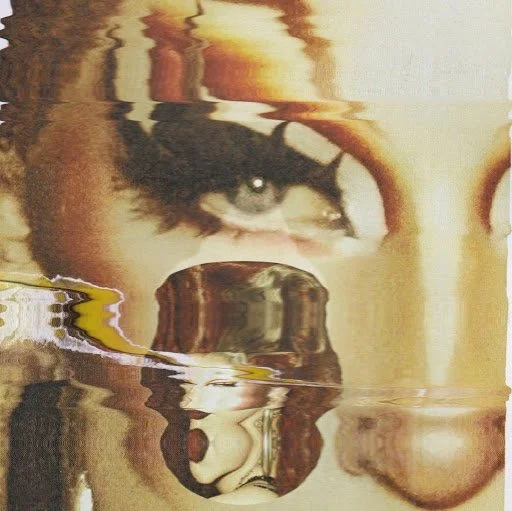
Photo: Pinterest
The documentary film “Paris is Burning” released in 1990 also allowed drag fashion to rise to popularity. Designers such as Jean-Paul Gaultier and Thierry Mugler were directly influenced by the bold styles seen in drag ballrooms. Also during this decade RuPaul quickly became a cultural icon by showing the fabulousness of drag. She was often featured on tv, magazines, and generally across the media. By challenging the gender norms drag became more accepted.
In 2009 RuPaul created the very well known show “RuPaul’s Dragrace”, a competition type show for the title of “Next Drag Superstar”. The public absolutely loved it, the fabulousness, humor, and heart wrenching moments were addicting to watch. It was no longer viewed as a niche subculture but something to be enjoyed and appreciated by many. Through this show so many people were introduced to drag styles they had never seen before. We can see as small elements of drag based fashion are introduced into all parts of fashion from high fashion to street wear.
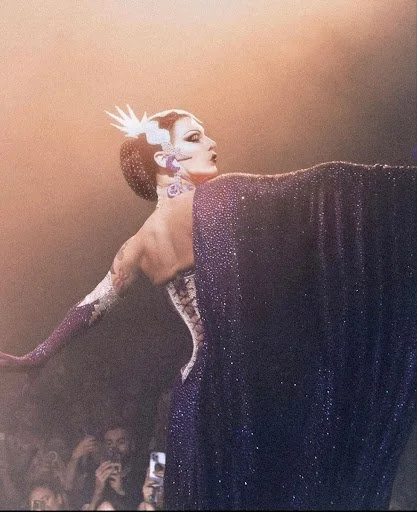
Photo: Pinterest
More into the 2010’s a number of designers deliberately integrating drag elements, such as: Marc Jacob’s, Moschino, and Vivienne Westwood. They used bolder silhouettes, bright colors, and just a simple extravagance.
Looking back into the early foundations of drag we can see that a completely unique and interesting sense of style has been created. The influence drag and queer people have had on fashion is immeasurable and will continue to be showcased in the true art that is fashion.
XOXO, The Fashion Stock Market