When you search “henna” on Pinterest, what comes up isn’t anything close to traditional. You don’t see the dense interlocking, paisley work that covers a bride’s hands and forearms before a wedding in Rajasthan, the bold geometric patterns etched onto the palms of women in Morocco, or the delicate floral lattices applied during Eid celebrations. Instead, what you’ll see is Western doodle-like dragonflies, peace signs, and constellations.
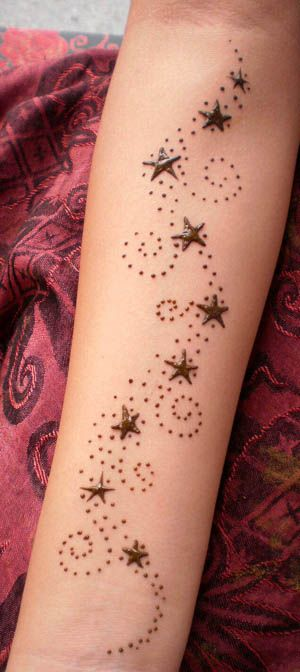
Photo: Pinterest
While henna’s appropriation in Western culture is a recent phenomenon, for thousands of years, the art has been woven into many diverse cultures across South Asia, the Middle East, and North Africa. This transculturalism is represented in the name itself—mehndi in Hindi and Urdu, kina in Turkish, henne in French.
Many scholars place its origins in Egypt, where Queen Cleopatra and other pharaohs would adorn themselves or mummies in henna. Then, it’s believed to have traveled to greater North Africa, where henna was used as a coolant against the heat and later on skin, hair, and nails as a fashion statement. Through the Silk Road, henna spread to Persia and India, where it was popularized in a similar manner.
Thousands of years later, when immigrants from India brought henna to America, it didn’t receive the same positive reputation. Instead, the West viewed it as dirty, weird. Once in elementary school, when Indian-American Foram Mehta showed up to class with her hands decorated in henna, a classmate asked, “What is that disease?” It was only when a famous white woman, Madonna, wore henna in her “Frozen” music video (1998) that henna became “cute” and “trendy” in America.

Photo: Pinterest
Since, henna has taken on a life of its own in Western places, becoming a part of a “bohemian aesthetic” sold at festivals like Coachella and packaged on Amazon, renamed as a "temporary tattoo kit." In this way, henna has been gentrified to better appeal to Western tastes, erasing its history and traditional significance.
At the same time, many henna artists, like Suhenna Creation on TikTok, believe it's culturally inappropriate to wear traditional or religious designs like deities, Arabic writing, or khasmas. To do so isn’t appreciation. It’s theft.
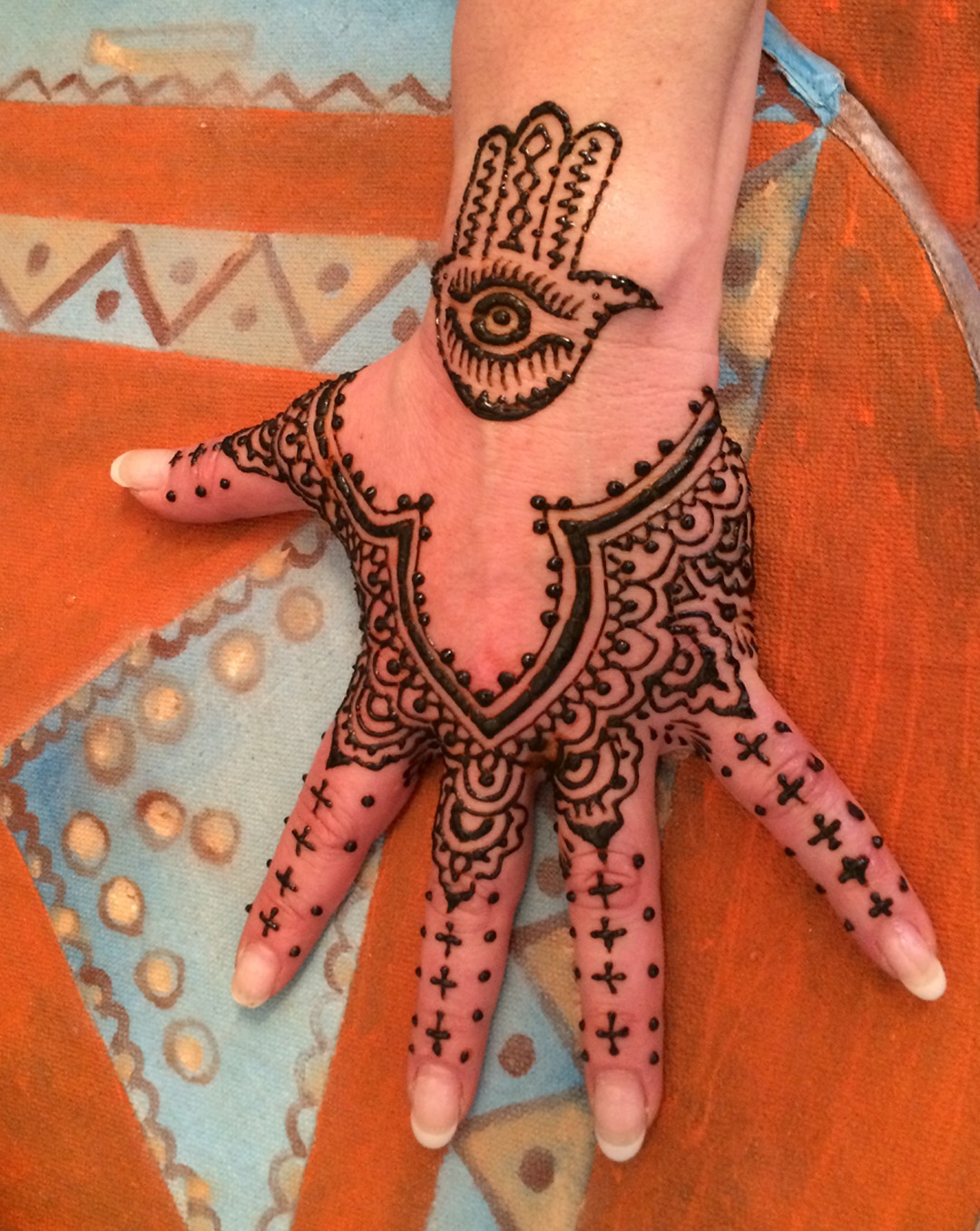
Photo: Pinterest
So, is wearing henna cultural appropriation? Not inherently. Henna has always been transcultural, traveling across continents since its origins. But sharing henna involves a responsibility of both the artist and the consumer: buy henna from reputable brands, learn where the designs you’re wearing come from, and reserve sacred or religious symbols to the cultures they belong to.
The line between appreciation and appropriation is drawn by the individual choices you make. If you’re unsure, you can always ask.
XOXO, The Fashion Stock Market