Heels rise as our economy crashes
The phenomenon of heels rising during economic downturns is something fashion-savvy people usually refer to as “The High Heel Index” and it has years of history. The term was coined by Trevor Davis over ten years ago following the economic crash of 2008. He explained that, “Usually, in an economic downturn, heels go up and stay up—as consumers turn to a more flamboyant fashion as a means of fantasy and escape.”
The “High Heel Index” gets inspiration from “The Hemline Index”, a theory first proposed by economist George Taylor in the 1920s, demonstrating longer skirt lengths in times of economic despair.
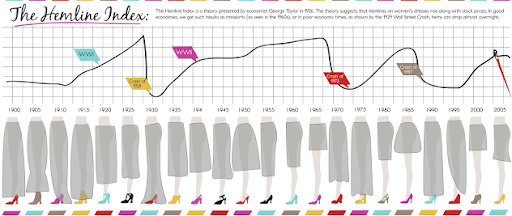
Photo: Fashionblogga
The results of the hemline index aren’t exactly as conclusive in modern times considering the popularity of miniskirts during a period of economic despair presently occurring. However, we can see the most obvious example of this in the promiscuity of hemlines during the economic high of the roaring 1920s compared to the modesty of skirts in the 1930s during the great depression.
With the high heel index, we see less emphasis on modesty and more direction towards escapism. High heels are aligned with something fun, youthful, and sexy. When we find ourselves in low places, interest in something fun and carefree is easy.
A study done by Korea Science used data from 1950-2014 and found that there was a positive correlation between heel heights and unemployment rates, though it followed a 3 year lag, following the speed it takes trends to reach the entire country. So we do usually see heel height increasing with economic fall, but they are not usually occurring at the exact same time.
Unfortunately a clearly created chart does not exist for the high heel index, but there are some clear points in history where we can align economic crash with heel height. Three important examples of this are the economic crashes occurring in 1929-39, 1973-75 and 2007-08. The heel change in the 1930s isn’t as obvious as all women were already wearing heels in the 1920s, but those were shorter, more made for dancing.
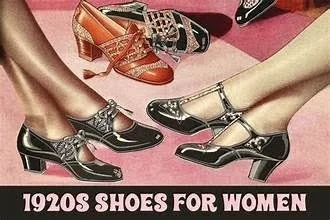
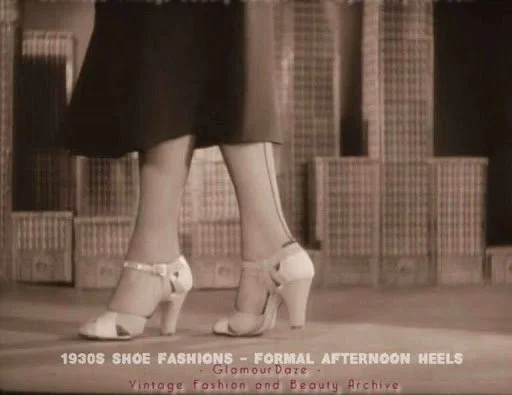
Photos: ClickAmerica & Glamourdaze
A similar trend can be seen from 60s to 70s and early 2000s to late 2000s.
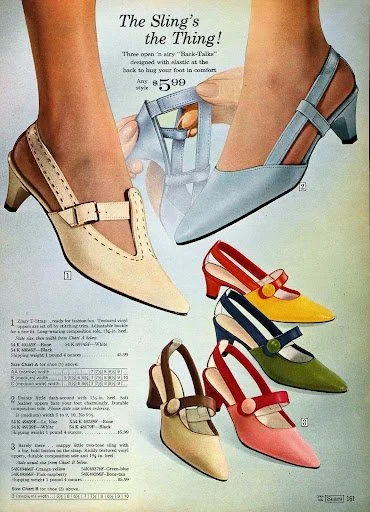
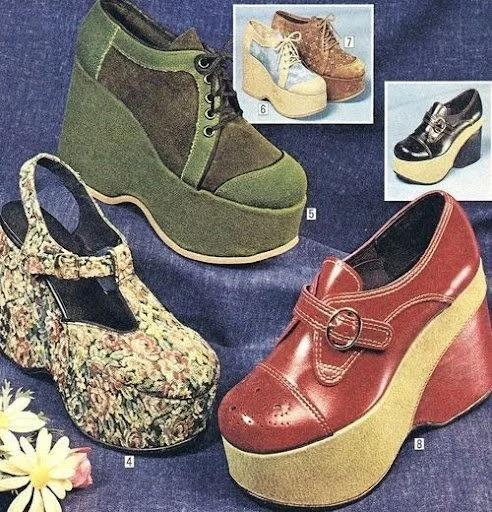
Photos: ClickAmerica & Pinterest
The heels became both chunkier and higher, they were also made more casual and considered everyday wear.
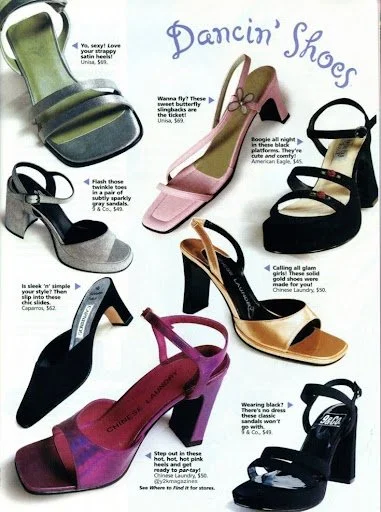
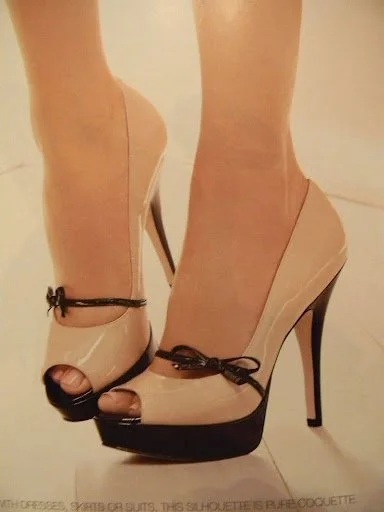
Photos: Pinterest
The heels became higher and thinner, increasing popularity for stilettos, platforms were also added to the sole.
All of this data demonstrates that throughout history, heel height is affected when the country goes through periods of economic downturn. But where does that leave us in the present? We're kind of in a grey area, many say that our economy is lowest it's ever been but we have managed to steer clear of a recession (though it may be approaching). Kitten heels have had a moment of popularity which indicates a rejection of the high heel index, though these are being worn in more casual settings, often as a replacement for sandals or sneakers. They are being worn with jeans which is a trend we saw in the 2000s. High heels are slowly being integrated into fashion though it has not completely infiltrated the trend cycle. But if we look towards top fashion houses, stilettos are once again being platformed.
XOXO, The Fashion Stock Market