Applying to Fashion School? Here’s What to Know
May 1st, America’s infamous “decision day,” marks the end of the 2025-2026 application cycle and the beginning of a new one. As it's now high school juniors' turn to start the process, many are touring campuses and building their college lists. While most students follow traditional higher education paths—getting degrees in business, history, biology, political science, etc—aspiring fashion designers face a difficult choice: is fashion school the right investment?
The answer isn’t so simple. While fashion school offers structure, industry connections, and technical training, it comes at a high price tag with no guaranteed path in a notoriously competitive job market. To understand whether it's worth it, it's important to weigh both the advantages and drawbacks.
Pros to attending fashion school:
Exposure to understanding the business side of fashion: increasingly, many fashion schools are including business studies in their curriculum, offering students real-world insight into how to make a profit
Being a student in fashion school, you are surrounded by talent in a way that you aren’t in any other community. In addition to amazing professors and mentors, you have a renowned group of peers that strike a balance of competing with you (pushes you harder) and supporting you (improves creative collaboration)
Access to networking opportunities: the majority of schools provide students with internships, guest speakers, fashion shows, incredible alumni, and industry events, offering unparalleled experience to help break into the fashion industry
Cons to attending fashion school:
It’s not essential to become successful in fashion. For example, Coco Chanel, Vivienne Westwood, and Vera Wang did not enroll in fashion school, but are some of the most well-known names in the industry. By taking more self-disciplined steps in practicing designing, studying the markets, and seeking out internships, it’s entirely possible to break into the industry
It’s super expensive. Parsons School of Design’s tuition sits at ~$93,435, while RISD costs ~$66,460. Without financial aid, those costs are steep compared to the median fashion industry salaries, which range from roughly $45,000 at the low end and $105,434 at the highest
It’s a risky degree within an unpredictable and unstable job market. It’s a much safer option to pursue fashion on the side, while working towards a more traditional BA, in case fashion doesn’t work out
Even for students who are certain they want to apply to fashion school, deciding where to apply is challenging. Different programs offer vastly different experiences, from curriculum to location to specialization to industry connections. Before building a college list, it’s important to understand what each program does and how it aligns with your goals.
Costume Design at UCLA School of Theater, Film, and Television (~4-5% acceptance rate)
Los Angeles, California
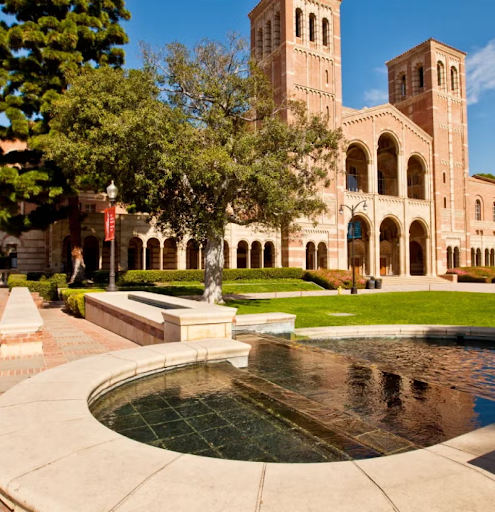
Photo: UCLA
Differs from a traditional fashion school with a focus on costume design for film, TV, and theater
A small class within a much larger university, allowing for close mentorship within the program while offering the social scene of a big school
Ability to take academic classes at a prestigious university while pursuing art
Amazing networking opportunities in Hollywood and greater Los Angeles
Notable professors: Deborah Nadoolman Landis, who designed Michael Jackson’s Thriller outfit and was nominated for an Academy Award for Coming to America
Parsons (~10% acceptance rate)
New York, New York and Paris, France
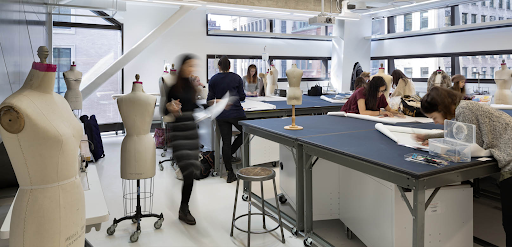
Photo: Cooper Hewitt
Emphasis on sustainability, including a “fashion and sustainability” seminar, as well as more inclusivity in fashion through teaching diverse perspectives
Located in New York and Paris (students can switch between), where students have close proximity to many major fashion brands
Ability to take academic classes at the New School; however, there are many recent complaints about administrative issues and program cuts
Notable alumni: Marc Jacobs, Donna Karan, Tom Ford, and Anna Sui
Savannah College of Art and Design (~83% acceptance rate)
Savannah/Atlanta, Georgia
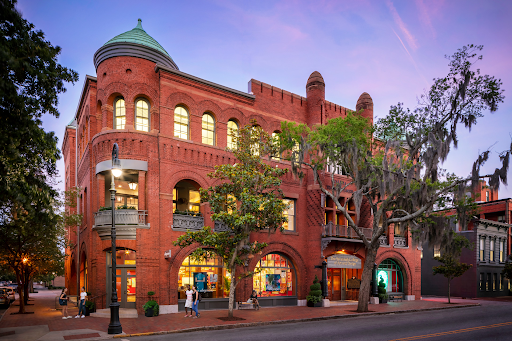
Photo: SCAD
Many opportunities for specialization across their accessory design, general fashion, fashion marketing and management, fibers, jewlery, and sneaker design programs
Access to unique, advanced facilities like Juki and Pegasus machines and Wacom Cintiq tablets
Amazing career support: 99% employment rate within 12 months of graduation
FIT (~60% acceptance rate)
New York, New York
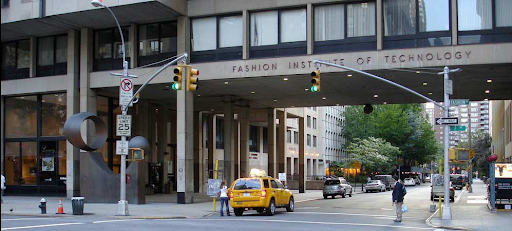
Photo: Glam Observer
Like Parsons, its central New York location allows for many work and internship opportunities
Hands-on experience in marketing (figuring out what clothes sell) through the Style Shop, a student run boutique where students can sell their own creations
Award winning magazine, Hue, creating prestigious oppurtunities for fashion photography and styling
RISD (~19% acceptance rate)
Providence, Rhode Island
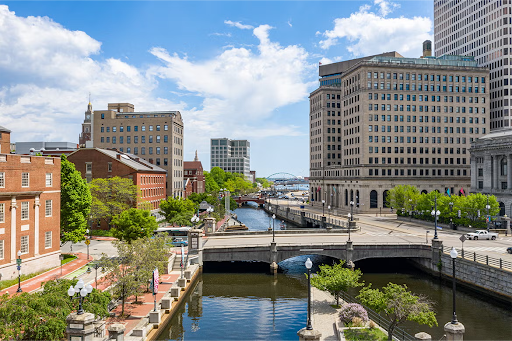
Photo: Rise Alumni
Rather than creating traditional clothes, students focus on creating “walking art,” training students with a experimental focus and intense craftsmanship and technical skill
No extra cost to cross-register at Brown, one of the most prestigious universities in the country
Focus on sustainability, specifically challenging students think about ethically sourcing material and production
But no matter where or if you decide to go to fashion school, understand that there is no “one path” to breaking into the fashion industry. Stay true to what feels right for you individually.
XOXO, The Fashion Stock Market