What Makes a Fashion Icon?
Having impeccable taste does not always equal being iconic. Although today the term fashion icon is thrown around in pop culture, usually to describe someone’s stylish way of dressing, it used to be a title hard to earn. While fashion may shift with different eras, there have always been figures defining those periods. They weren’t influential just because they dressed well. They were crowned with the “Fashion Icon” title because their style was inseparable from their identity, and they became the it girls of their time.
Some of the most universally acclaimed fashion icons include Audrey Hepburn in the 50s and 60s, Jane Birkin in the 70s, Princess Diana in 80s and 90s, Kate Moss in the 90s and 00s, and Rihanna in the 2010s. So what did these women have in common, and what about their style raised their status from fashionable to iconic?
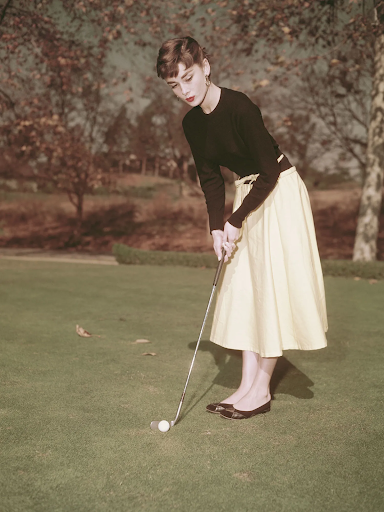
Photo: British Vogue
If we had to start from one of the earliest examples of a fashion icon, Audrey Hepburn was one of the most influential figures with her timeless silhouettes and simple but elegant pieces like the LBD, headscarves, and polo necks. Her style didn’t match the excessively glamorous standards of the time. She embodied a graceful elegance that felt modern and youthful. She had a preference for understated pieces that mirrored her delicate personal aesthetic. Even her more luxurious looks contained restraint and precision that aligned with who she was. Hepburn’s style redefined the ideal of the 1950s and 60s with a sleek alternative to the dominant allure of the time. She turned certain garments into symbols of poise. Through film and TV, her outfits became reference points in fashion culture, still getting mentioned decades later.
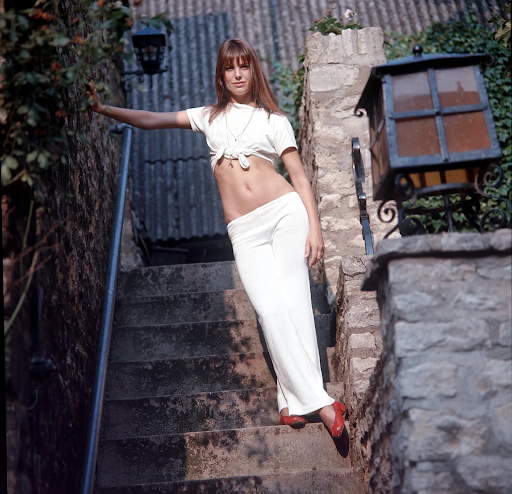
Photo: British Vogue
When we come to the 70s, Jane Birkin might have been the most predominant figure in the world of fashion. Even today, arguably the most controversial and highly exclusive piece in luxury (the Birkin Bag) carries her name. She was known to be effortless, undone, and casual in an authentic manner. She was understated and classic but always unapologetically herself. She wore the simplest pieces in a way that felt entirely her own. For her, clothes were just another way of showcasing her free spirit. Straight-leg jeans and white tees turned iconic on her. Because everybody was aware that her style wasn’t to perform, it was formed by her instincts. Her outfits became the ultimate inspiration for effortless cool, a concept that has been revived a million times, even a staple in fashion’s current era. Though unlike most people who have been trying to embody the same aesthetic, she embodied it naturally. She transferred simplicity into something desirable, creating the “unbothered french girl” fashion archetype.
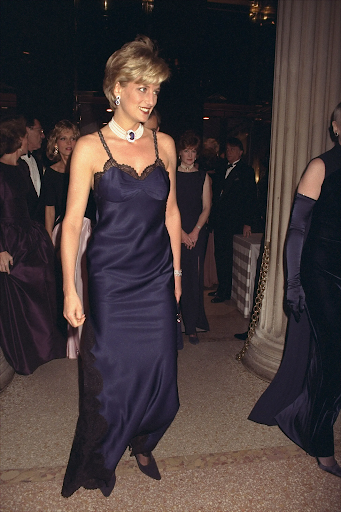
Photo: Vanity Fair
Of course, we have to mention people’s princess, the ultimate fashion icon of the 90s. Princess Diana combined royal elegance with her individuality. She was so iconic that her looks were named, known far beyond the industry circle. If we were to mention some: the infamous Revenge Dress, the Travolta Dress, or her wedding gown are the most well-known of her looks. Her style aligned with her personal life. When she was a young royal, she dressed more polished and safe, but as she turned into a more confident and independent woman, her outfits became bolder and more expressive. She remains one of the first names that come to mind when 80s and 90s are discussed. She challenged the royal norms through her fashion choices and is continually referenced even years after her tragic death. She influenced modern day royal style and became an inspiration for present day figures, so much so that her clothes are still preserved and displayed.
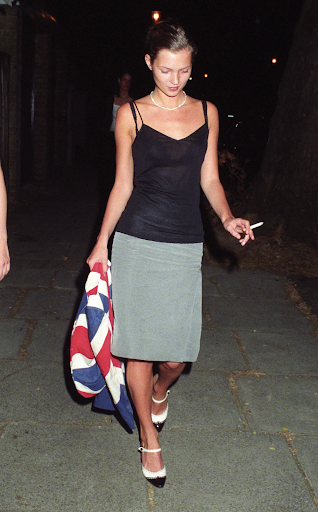
Photo: British Vogue
Another prominent figure in 90s fashion would be Kate Moss. Her style has lived somewhere between scrappy realism and glamour. She was not a maximalist but her attitude has always been visible. She dressed in skinny jeans, tanks, and leather jackets. Her outfits acted as an extension of herself, a mix of nonchalance and edginess with sophistication. She had that “London cool” energy, undone and laidback, reflecting her personality. She is best known for defining the “90s heroin chic”, though her style remained in the same authenticity no matter the decade. She shifted the put-together look into realness, influenced festival fashion, street style, and the era of attitude over looks.
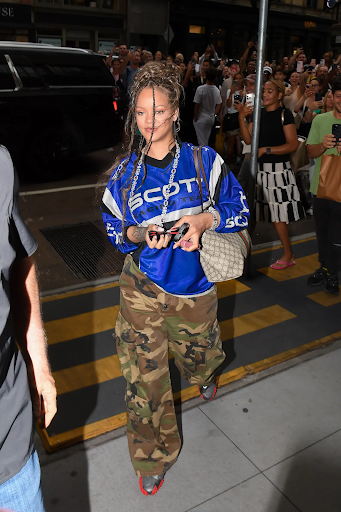
Photo: Marie Claire
Now a more recent example. Rihanna has been called, multiple times, the most stylish pop star of this generation. Unlike the others, she never stuck to one look. She was fearless, pushing boundaries, creating unforgettable fashion moments. She became known for her bold looks on the red carpet and oversized tracksuits on the street. Her experimental fashion choices prove that she is comfortable out of the norm and refuses to fit in one box. She mixed multiple aesthetics but never failed to include her own flair. She reinvented maternity dressing and has been talked about as one of the best dressed in every Met Gala. Her risk taking made her the hot topic in red carpets, leading the way for other celebrities in bold fashion. She does not follow what’s happening, instead she pushes it forward.
It is clear that none of these women became icons just through their widely known and loved outfits. Rather than creating short-lived trends like many other figures, they shaped something far bigger. Each maintained a consistent, unique, and recognizable image. Their style wasn’t performing a look, it was exhibiting their personalities. Over time, they became a part of culture itself, carrying their own style through the years. By challenging prevailing norms they became faces of their eras. That is what sets them apart. A fashion icon cannot be manufactured, it emerges when authenticity becomes influence and when fashion turns into language.
XOXO, The Fashion Stock Market