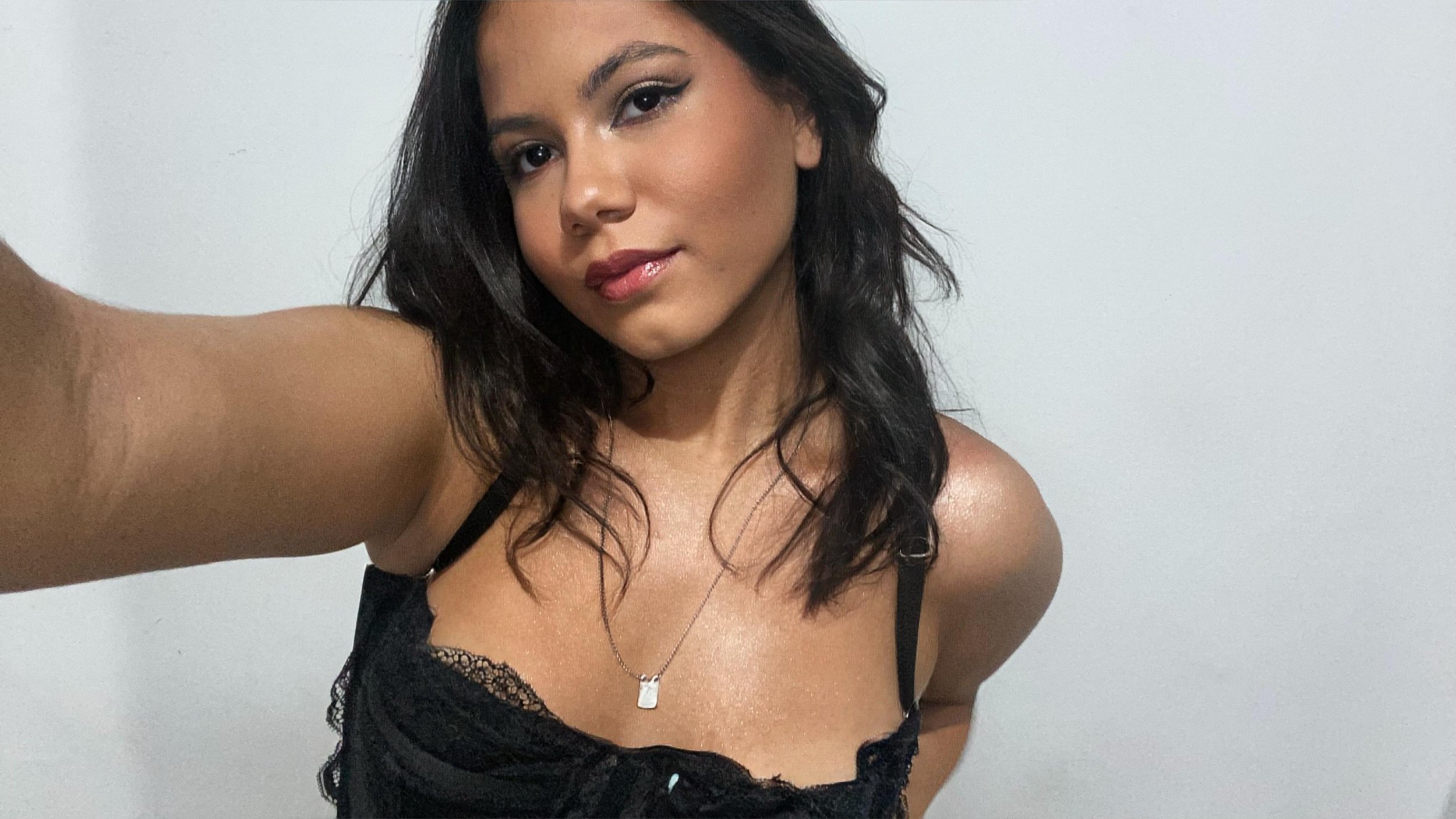
Fashion Born After Dark
Clubber style doesn’t arrive with daylight. It emerges at midnight, under strobe lights, inside warehouses where sound is physical and time dissolves. Rooted in techno culture and rave spaces, this aesthetic is less about trends and more about survival, identity, and freedom. It’s fashion designed to move, sweat, and exist without permission.
Once confined to underground scenes in cities like Berlin, Detroit, and London, clubber fashion has escaped the dance floor, and today, it’s everywhere.
Where Clubber Style Comes From
Clubber fashion is inseparable from techno itself. As techno evolved from a music genre into a culture, clothing followed the same path: functional, expressive, and resistant to mainstream polish.
In Berlin’s club scene — especially spaces like Berghain — style became a silent language. Black outfits weren’t about minimalism; they were about neutrality, anonymity, and equality. In the dark, bodies become silhouettes, and clothing becomes armor.
Clubwear wasn’t meant to impress. It was meant to endure.
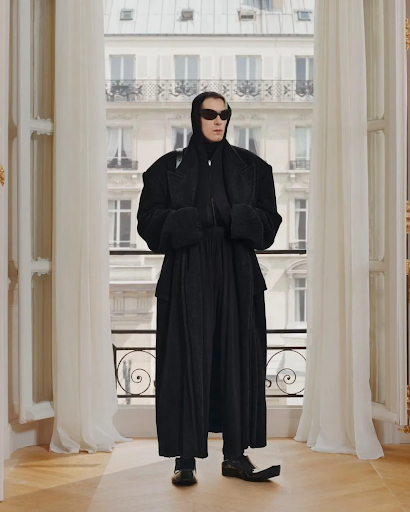
The Aesthetic Codes
Clubber style has a clear visual grammar, even if it pretends not to care about aesthetics.
Black dominates, not as a trend, but as a philosophy. It absorbs light, hides sweat, and dissolves hierarchy.
Technical fabrics like mesh, vinyl, latex, and nylon appear everywhere, chosen for breathability, durability, and movement.
Skin is intentional,cutouts, sheer panels, and body-hugging silhouettes are about freedom, not exposure.
Footwear is functional, chunky boots, platform shoes, sneakers built to last eight-hour sets.
Gender is irrelevant, silhouettes are fluid, oversized or second-skin, rejecting binary expectations.
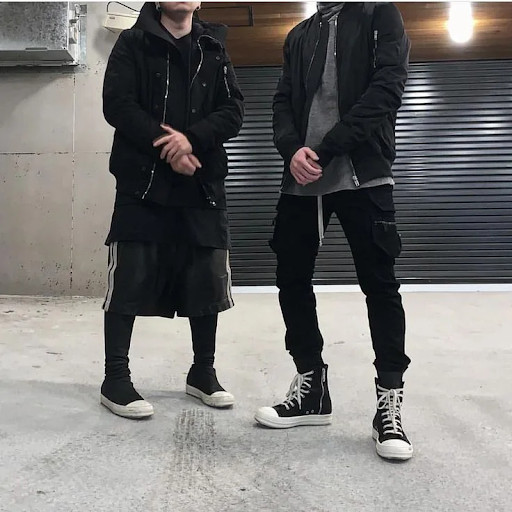
Techno, Fashion, and Rebellion
Clubber style is deeply political, even when it looks simple. Rave culture has always existed outside dominant systems, and fashion became one of its quiet acts of resistance.
In techno spaces:
Logos disappear.
Luxury becomes irrelevant.
Individuality matters more than status.
The uniformity of black isn’t conformity — it’s collective freedom. When everyone blends in, self-expression moves inward. Hair, makeup, posture, dance — these become the real accessories.
Fashion here is about belonging without belonging to anything else.
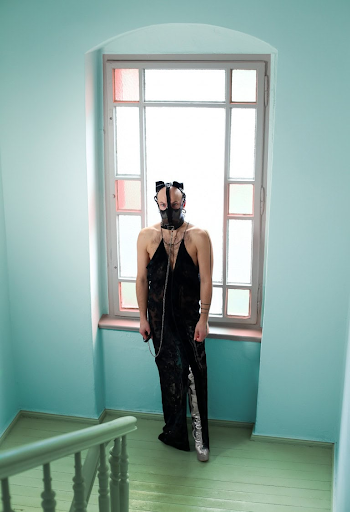
Photo by: Vilma Leino. Model: David Morio-Lesavourey, Dress: Therapy Berlin
https://thecolumbist.com/berlins-techno-scene-a-story-of-self-expression-told-through-fashion/
From Underground to Runway
As always, fashion eventually looks underground for answers. Designers have increasingly borrowed from club culture: harnesses, industrial straps, sheer bodysuits, PVC coats, and utility silhouettes have moved from raves to runways. What was once worn out of necessity is now styled as provocation.
But the essence remains: clubber fashion rejects polish. It thrives on imperfection, repetition, and wear.The irony? What was once anti-fashion is now shaping it.
Why Clubber Style Resonates Now
The rise of clubber fashion reflects a broader cultural shift.
Post-pandemic desire for physicality: clothes that acknowledge bodies, sweat, and touch.
Disillusionment with luxury: status symbols feel hollow; authenticity feels urgent.
Blurred public and private spaces: lingerie, clubwear, and streetwear now overlap.
Identity as performance: fashion becomes a tool to explore who you are, not how you’re seen.
Clubber style doesn’t ask for approval. It exists because it has to.
How Clubber Style Shows Up Today
Outside the club, the aesthetic translates subtly:
Sheer tops layered over bralettes
Black cargo pants with tailored cuts
Harness-inspired accessories
Platform boots paired with minimal outfits
Metallic or industrial jewelry worn as everyday statements
It’s less costume, more attitude.
More Than a Look
Clubber fashion isn’t nostalgic, it’s cyclical. Every generation returns to the dance floor when systems feel too rigid. And each time, fashion follows.
This style doesn’t belong to influencers or algorithms. It belongs to nights that end at sunrise, to bodies moving together in darkness, to music felt more than heard.
XOXO, The Fashion Stock Market
Cover Photo: Dimitri Hegemann