Fashion has always served as a statement of wealth. Pre 20th century these class differences were much more prevalent in clothing. For example in the renaissance fashion trends spanning from the 1400s to 1600s in Europe were very fond of extravagant clothing. Though the clothing changed and adapted in 200 years the expression of wealth remained. Whether that was extravagant hats or meticulous embroidery it was expensive. And every single person could see, what better way to place yourself above those lower class than spending an absurd amount of money on clothing worn once.
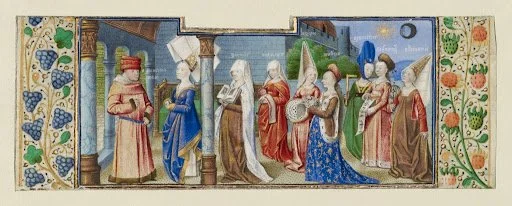
First of the Medievals?-1465
Photo: https://www.worldhistory.org/article/1804/boethius-first-of-the-medievals/
Even a bit further in the early 1800s the regency created a fabulous display of wealth. The empire waist dresses created with expensive materials to be worn only once during balls was a clear element of class separation.
As we move through the later eras the rise of media begins. The first fashion magazine is considered to be The Cabinet de Modes in 1785(I’m sure earlier ones were created just not well documented), though this publication itself wasn’t excessively popular. It however did pave the way for more well known publications such as Vogue in 1892. But with these publications extravagant fashion began to be more accessible to the masses. Even if the consumers were still relatively wealthy it wasn’t only the top 1%.
When we move to the 20th century media itself began to be more widespread. In the 1920s we not only saw the first television broadcast but also the birth of commercial radio. Fashion trends themselves started to not be as excessively separated by class, especially because of the new affordability of popular clothing. This of course pre dated the market crash and great depression in the 1930s. Fashion itself became more accessible throughout time as media accessibility rose and rose.
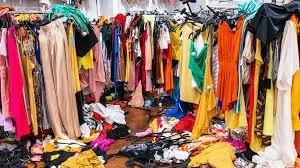
The creation of fast fashion copying more expensive clothing trends began in the 1970s. But it wasn’t till the 1990s that it rose in popularity significantly. Suddenly everyone could dress like their favorite celebrities, with dupes suddenly all of fashion became accessible. This rise of fast fashion obviously continued to grow throughout the 2000s,2010s, and 2020s.
In the digital era it has become extremely easy to see the latest espenisive fashion trend and advertise something similar if not exact for a fraction of the price. Due to this so many people wear clothing that would be assigned with wealth but due to the polyester makeup and cheap factory creation the item itself isn’t actually high luxury
So this is where the crux of this problem begins. At which point can wealthy people assert themselves over the middle-class? It’s simple they show that their own wealth doesn’t require them to display it excessively. They have started to identify these things that were once perceived as luxury “tacky”. So they spend 1,000s of dollars working on this “casual wealth”, dressing in clothes relatively plain at extreme price points. Spending a huge amount of money on clothing is no longer about showing off but rather displaying that you have enough disposable wealth to spend on $1,020 on a Prada stretch white cotton t-shirt.
As an extension of that we have begun to see clothing be sold purposefully dirty. Not simply “distressed” as some jeans but added with what looks like strips of dirt. With the golden goose shoes in particular they are purposely scuffed with price points upwards of $600.
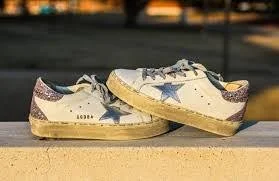
Golden goose sneakers
Photo: https://baylorlariat.com/2023/02/21/golden-gooses-are-a-waste-of-money/
Huge designer brands are guilty of this as well, Gucci’s purposefully ripped tights for $300, Balenciaga trash bag pouch for $1,790, the list goes on.
Though one of the biggest perpetrators of this is the brand Magnolia Pearl. Their entire clothing line is presented as being sort “rustic” and “quirky”. The clothing itself looks very worn in and mishapen. The clothes themselves are very often ripped and purposefully stained. Some of the items could be considered akin to something found on the street.
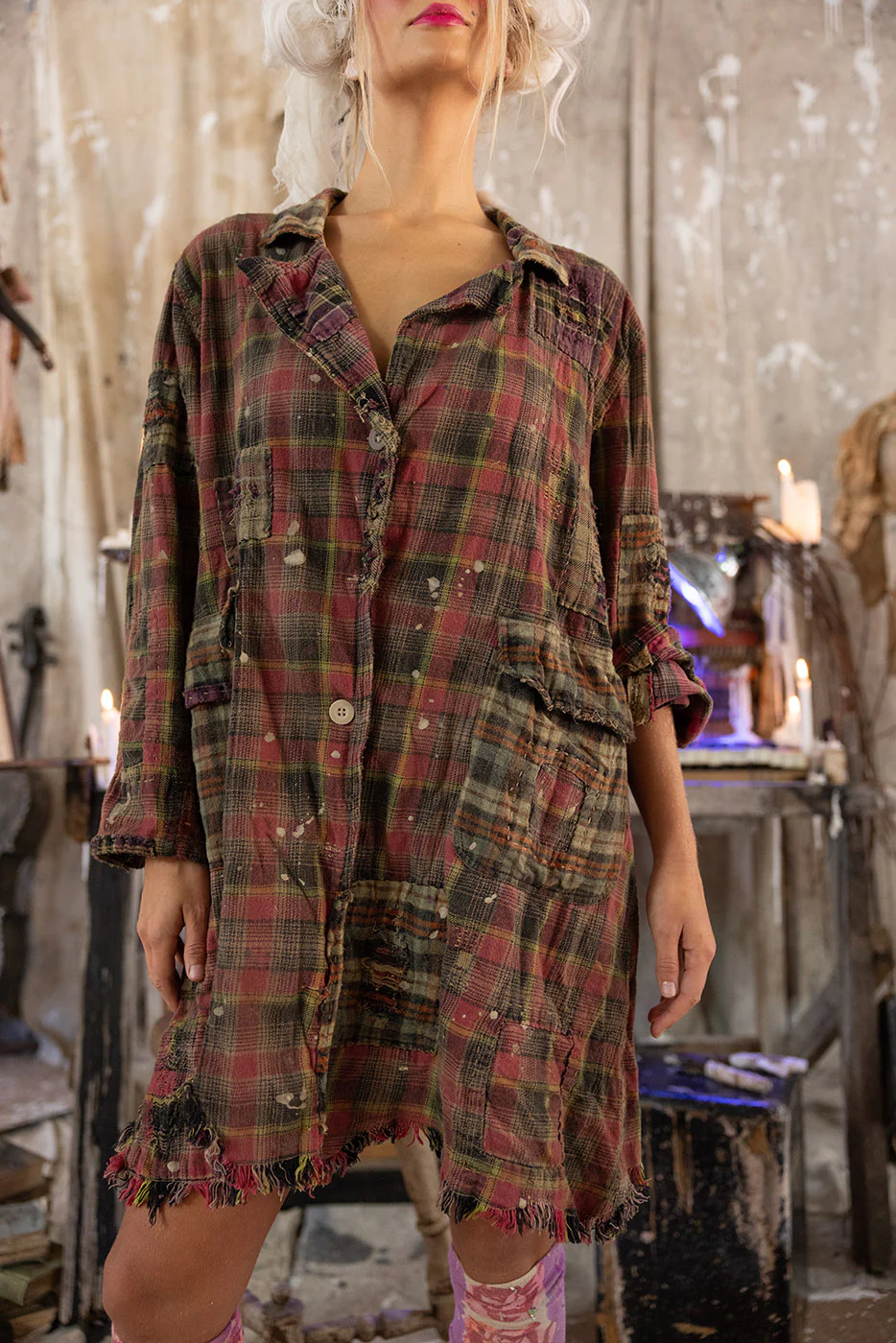
Magnolia pearl website listing
Photo: https://magnoliapearl.com/collections/shop-all/products/wallace-coat-fleet-street
This coat is $600 and looks simply like something someone very low class would wear. But why? At the use of free will why are people buying items that look liek garbage. Because wealthy people know that those worse off would never purposefully wear clothes tht could be aligned with “homelessness”. They can show this “quiet luxury” by almost making a caricature of people actually wearing clothes like this.
XOXO, The Fashion Stock Market
Cover Photo: Magnolia Pearl